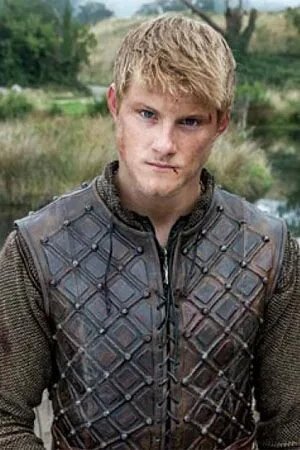
Who plays Bjorn Ironside in Vikings?
Alexander Ludwig plays the older Bjorn Ironside. Nathan O'Toole plays the younger Bjorn, including later flashbacks.
Explore family, allies and rivals or follow the story sections below.
Cast references: Alexander Ludwig · Nathan O'Toole.
Explore Bjorn Ironside’s story
Earning Ironside
After leaving with Lagertha, he returns as a young warrior. Ragnar gives him the nickname after he survives battle without a wound; the name becomes an expectation he must carry.
What the nickname leaves out
The official origin of Ironside is a particular battlefield survival, not a promise that Bjorn cannot be hurt. Keep that small distinction visible. It allows the guide to explain the name accurately while leaving room for the physical injuries, emotional failures and conflicting expectations that prevent a heroic title from describing a whole person.
His own horizon
A wilderness trial and Mediterranean expedition develop his identity beyond his father. Exploration offers distinction, but leadership also exposes his failures within his own family.
Exploration as a claim to adulthood
The official biography emphasizes Bjorn’s admiration for Ragnar and desire to test himself. Those impulses explain why independent achievement matters to him: resemblance is both an inheritance and a trap. Another victory in his father’s orbit may strengthen the family name while doing little to answer who Bjorn is on his own. The journey toward the Mediterranean gives that question geographical shape. On a rewatch, look for moments when a choice serves the expedition and moments when it chiefly proves something to the man making it.
Who is his father?
The official character premise names Ragnar and Lagertha as his parents. Season 5 introduces Rollo’s competing claim, which Bjorn rejects. Social fatherhood is clear; biological certainty is deliberately unsettled.
Identity is larger than the parentage puzzle
In “The Revelation” (5.11), the paternity argument is also an argument about who has earned the right to define Bjorn. Rollo’s offer arrives after military support that helped drive him from Kattegat. It therefore cannot be judged as an isolated act of generosity. Bjorn’s refusal ties family identity to conduct and allegiance. The scene remains meaningful even without biological certainty: the person offering rescue has also contributed to the danger, and Bjorn refuses to let a claimed blood connection settle that contradiction.
A leader’s final image
His last stand against the Rus turns a mortally wounded king into a rallying symbol. The gap between the injured man and the public legend is central to the sequence.
A legend and a fallible person
The nickname Ironside invites the audience to expect invulnerability. A richer reading keeps that public expectation separate from emotional competence or moral authority. Surviving combat does not automatically make someone a careful parent, partner or ruler. This distinction prevents the guide from treating every accomplishment as evidence of all-round greatness. It also prepares the later image of a wounded leader whose followers need him to embody certainty. The legend operates through what others believe they see, while the man continues to bear the cost.
Relationships & loyalties
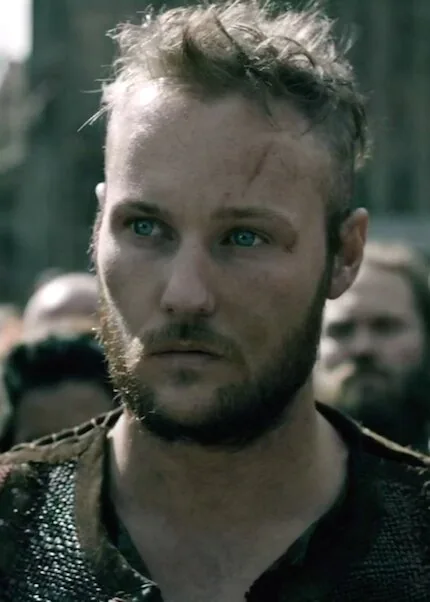
Episode-by-episode evolution
The turning points in Bjorn Ironside’s story, from the earliest chapter onward.
- Season 1 · Episode 01
Rites of Passage
Bjorn receives his arm ring.
Read the episode guide - Season 2 · Episode 01
Brother's War
Lagertha leaves Kattegat and Bjorn accompanies her.
Read the episode guide - Season 3 · Episode 08
To the Gates!
The coordinated assault on Paris fails, leaving the Norse wounded and Floki's confidence in his judgment shaken.
Read the episode guide - Season 4 · Episode 03
Mercy
Kalf and Erlendur arrange for a berserker to kill Bjorn; Erlendur supplies a signet ring. Bjorn pursues the bear that has been escaping his traps. Rollo works at learning the language of his new home.
Read the episode guide - Season 4 · Episode 20
The Reckoning
A Saxon defeat leads to Ecbert’s final bargain, while the victorious brothers split over what to do next. The season ends with deaths inside the Viking circle as well as the fall of a familiar king.
Read the episode guide - Season 5 · Episode 20
Ragnarok
The ceremony around Bjorn’s accession connects a new ruler with the family’s existing symbols of legitimacy.
Read the episode guide - Season 6 · Episode 01
New Beginnings
Bjorn banishes Ivar’s collaborators rather than executing them.
Read the episode guide - Season 6 · Episode 11
King of Kings
The wounded Bjorn rides before the invading army.
Read the episode guide
Memorable scenes
The assassin’s ring
Season 4, episode 4
Bjorn survives the berserker’s attack in the wilderness and takes a ring from the body. The ordeal establishes his ability to live beyond the household, but the object also links that apparently solitary test to an organized threat from other people.
Why this moment matters
The ring prevents the wilderness trial from remaining an isolated proof of toughness. Bjorn’s survival produces evidence of a human plot, connecting the apparently self-contained adventure back to household politics. It also puts a limit on the heroic fantasy of independence: he can master the immediate fight without having chosen the circumstances that sent the fighter after him.
A wounded king rides before the Rus
Season 6, episode 11
Although mortally injured, Bjorn appears on horseback before the invading army. Reinforcements rally and the Rus withdraw. Gunnhild’s narration turns the visible man into a remembered political symbol, while the scene makes clear how much that image costs him.
Why this moment matters
His final appearance works through the difference between an injured body and the image an army needs to see. Gunnhild’s account helps turn that image into lasting authority, while the reinforcements give it practical force. The achievement is not that Bjorn becomes invulnerable; it is that a visible act of resolve makes other people willing to act together.
Why fans keep talking
Bjorn’s loyalty to Lagertha and capacity to carry responsibility when Ragnar falters give his later story an emotional foundation. Criticism grows when leadership and personal conduct seem to move apart: success abroad does not answer neglect at home, and another marriage does not resolve the last one. His final ride can therefore be admired without making every earlier choice admirable. The richer question is what the name Ironside encourages people to overlook. A public legend can organize courage while concealing the family costs borne by people outside its frame.
What resonates
His loyalty to Lagertha, early partnership with Ragnar and vulnerability with Gunnhild give supporters reasons to care about him beyond his reputation as a warrior.
What divides viewers
His relationships and treatment of his children, especially young Siggy, attract sharp criticism. Some viewers also find the echoes of Ragnar in his mannerisms distracting.
Character gallery
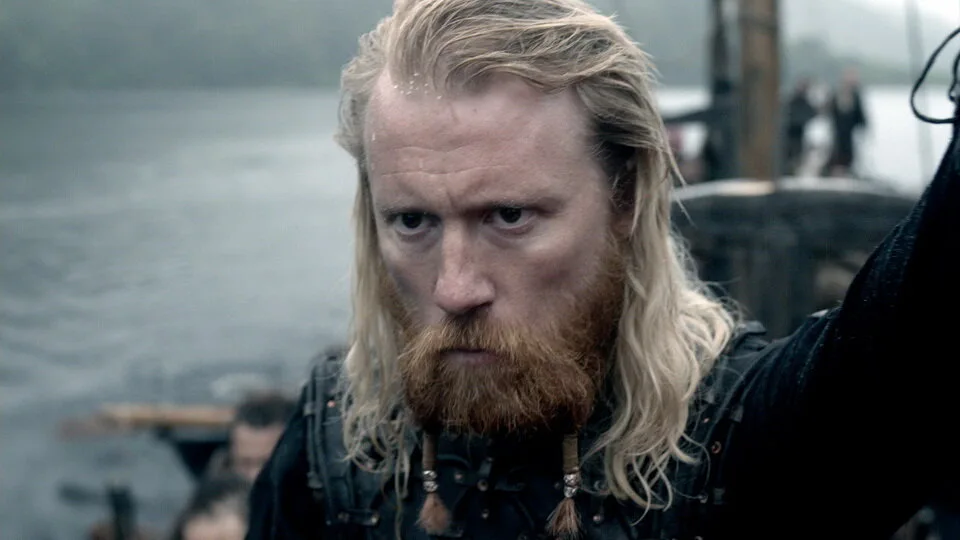
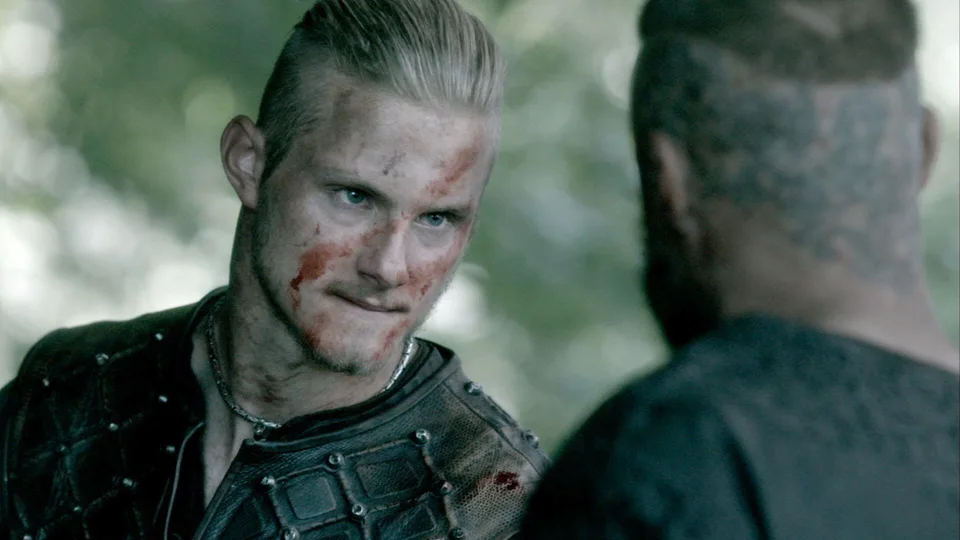
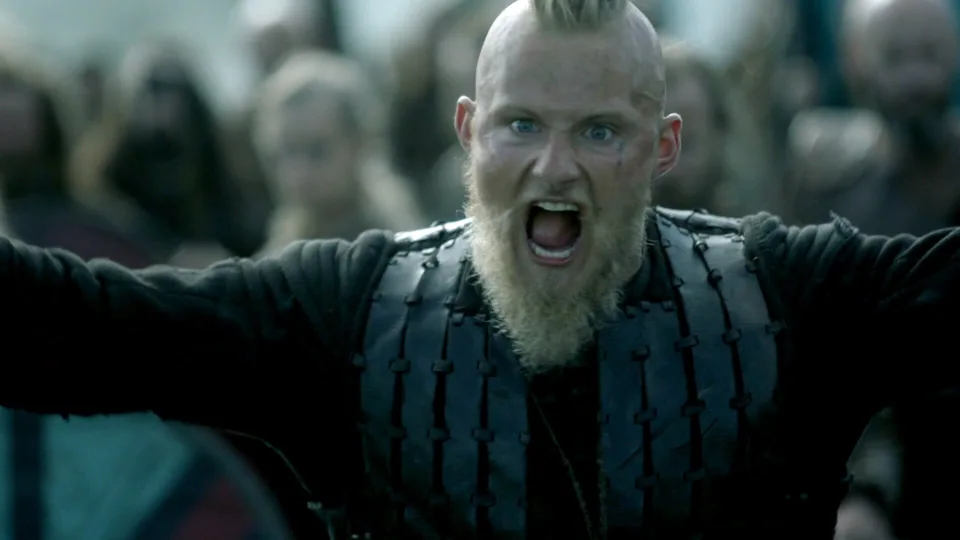
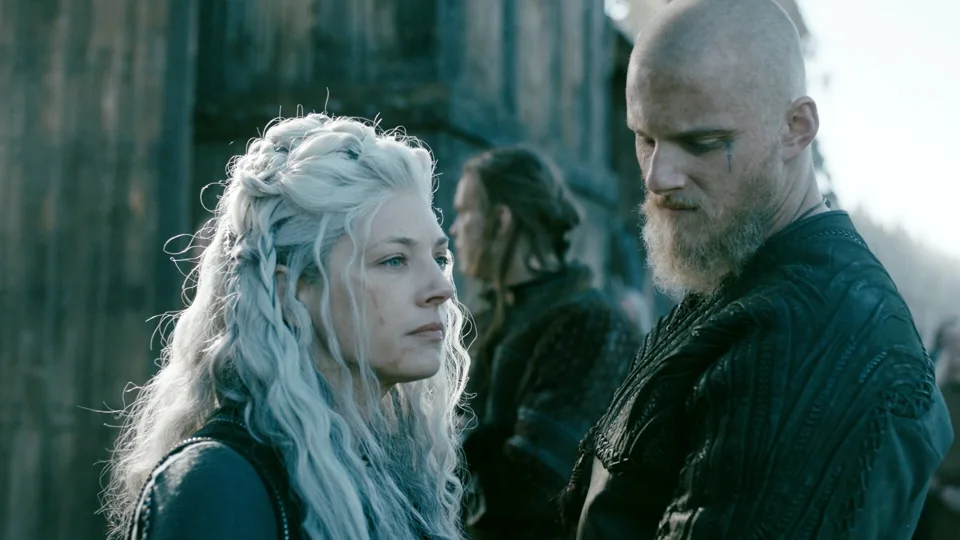
The world behind the character.
Was Ragnar Lothbrok a real person?
The familiar Ragnar gathers several kinds of material into one life. Later legends and the historical campaigns associated with men claimed as his sons do not establish the television biography.
Keep the distinctionRead the family on screen as drama; investigate a named person, campaign or source separately.
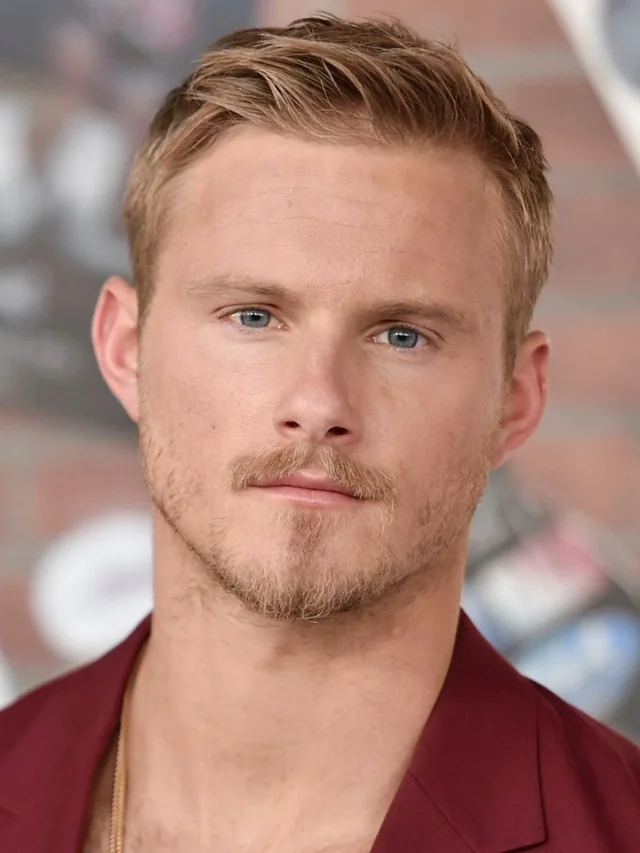
Who plays Bjorn Ironside?
Alexander Ludwig portrays Bjorn Ironside in the older portrayal.
Ludwig grew up in Vancouver and started acting in commercials and television as a child. He played Will Stanton in The Seeker: The Dark Is Rising and Cato in The Hunger Games.
Questions fans ask
Is Bjorn Ragnar’s son or Rollo’s?
The official premise identifies Ragnar as his father. Rollo later makes a biological claim, but Bjorn rejects it. Fan debate does not resolve the uncertainty the drama preserves.