What happens in To the Gates!?
Spoilers for this episode and earlier events.
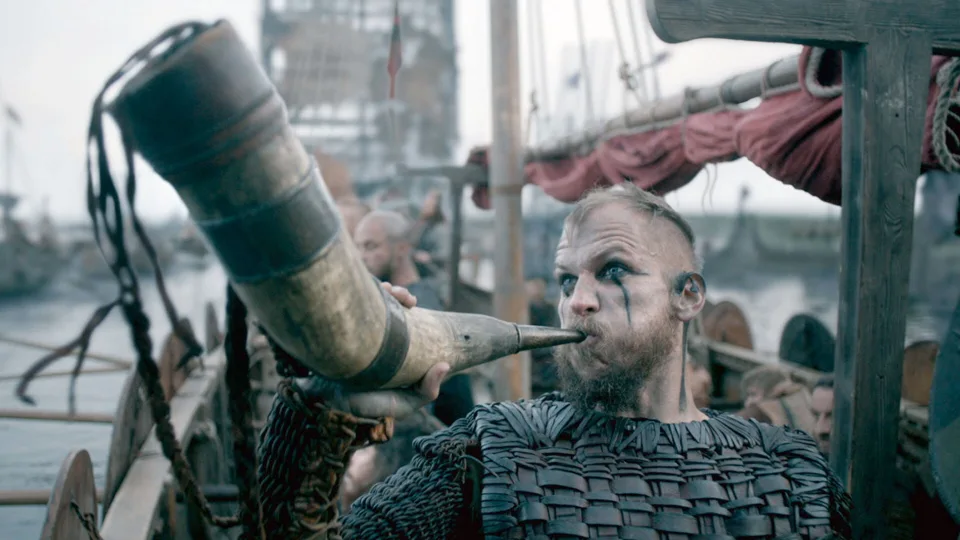
The attackers strike the gate and river defenses. Gisla rallies the defenders with the sacred banner. The Norse withdraw after heavy losses.
- Season & episode
- Season 3, episode 8 of 10
- Series order
- 27 of 89
Story connections: Ragnar Lothbrok, Floki, Lagertha and Rollo.
Identify a face in this episode.
Episode references: Community episode record.
Key events and consequences
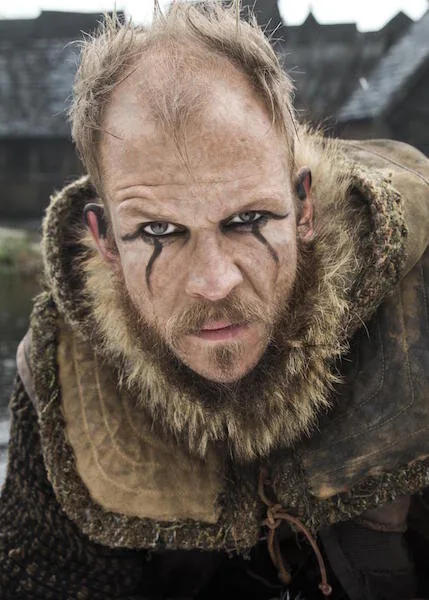
The defenders turn preparation and coordinated resistance into heavy losses for the attackers. Gisla's banner helps sustain the city's morale, while Floki's failure makes confidence in divine approval harder to maintain. Withdrawal preserves survivors but leaves Ragnar with the problem of finding a method his existing strength cannot supply.
- The attackers strike the gate and river defenses.
- Gisla rallies the defenders with the sacred banner.
- The Norse withdraw after heavy losses.
Key characters




Locations and story geography
Paris
The failed attack exposes the force of the fortified gates and river defenses, changing the siege's military balance.
These are places in the story. For the real landscapes used on screen, explore the filming-location guide.
The episode breakdown
The difference between bravery and access
The assault shows that determination cannot erase the physical advantages of a defended position. Separate the attackers' courage from the quality and limitations of their plan. Doing so allows the episode to work as a study of command: a leader can inspire extraordinary effort and still expose people to a situation effort alone cannot solve.
A symbol with practical consequences
Gisla's use of the banner matters because morale is part of defense. The object does not need to be treated as supernatural proof for its appearance to change how people act. Compare that public reinforcement of belief with Floki's response when the attack does not deliver the result he expected. Shared faith can sustain action, but failed expectations can fracture the person who claimed to read its signs.
The aftermath is part of the battle
The wounded make the consequences of planning visible. Look beyond the moment of retreat to the relationships that must absorb blame, fear and care afterward. Helga's response is especially useful for questioning a reading that centers only the commander's suffering. The attack has harmed many people, and personal despair does not automatically constitute accountability. The episode gives a military reversal an emotional afterlife that will shape whatever strategy comes next.
Themes to follow
- Courage against preparation
- Belief under pressure
- The responsibility of command
Questions the episode leaves you with
- What does the failed assault reveal about leadership?
- How can a religious symbol affect a battle without proving supernatural intervention?