Early eighth century
A market grows at Ribe
An organized trading place existed beside the river before Lindisfarne’s raid. Craftwork, seasonal exchange and protection by local power belong near the beginning of the story. 1
Explore the history of the Vikings: origins, society, ships, warfare, religion and settlements. Browse articles, a chronology, glossary and sourced answers.
Explore the history of the Vikings through the people who farmed, traded, built ships, fought, settled abroad and reshaped the societies around them. Raiding is part of that history. So are craft, law, belief, family life and the exploitation of enslaved people.
This reference library brings eleven substantial articles together with a chronology, glossary and historical questions. Browse by subject or region, follow a reading path, or start with the overview of Viking origins and identity. Each article links its arguments to notes and further reading.
Go directly to a topic within an article, or read the full account for its wider context.
The regional societies behind the voyages.
Raids, settlement, the Danelaw and competing kingdoms.
Ports, Dublin, Paris and the emergence of Normandy.
River networks, the Rus and connections with Byzantium.
Iceland, Greenland and the evidence for voyages to North America.
Compare Ragnar, Lagertha, Rollo and the Wessex household with the evidence behind their names.
Compare eight Vikings characters with the history11 articles
How Scandinavian communities became part of a far-reaching age of raids, trade and settlement, and why its beginning and end resist one neat date.
Eighth–eleventh centuriesHull construction, sails, crews, cargo and navigation: the practical systems behind Viking movement across rivers and open sea.
Late eighth–eleventh centuriesHow raiding became prolonged campaigning, what weapons reveal, and why food, ships, captives and negotiation mattered alongside battle.
793–1066Raids, the Danelaw, Scottish island seafaring, Welsh encounters and Cnut’s North Sea rule: how Scandinavian activity changed Britain across generations.
Ninth–eleventh centuriesFortified bases, craft towns, sieges and political settlements: different outcomes of Scandinavian activity in Ireland and the Frankish world.
Ninth–eleventh centuriesBaltic connections, the Volga and Dnieper, silver, slavery and imperial service: the eastern history that a west-facing Viking story can miss.
Late ninth–fifteenth centuriesSettlement, law, farming and the evidence from Newfoundland, including what the precise date of 1021 does and does not establish.
c. 750–1100The households, crafts and agricultural labor that sustained Viking society, with sharp differences between landowners, free workers and enslaved people.
c. 750–1100; later accounts require careHousehold authority, marriage, textile work, assemblies and unequal freedom, with careful distinctions between archaeology and later saga or legal evidence.
Pre-Viking traditions to c. 1100; medieval retellingsNorse gods, sacrifices, sacred landscapes, funerals and the long adoption of Christianity, explained through objects, inscriptions and carefully dated accounts.
Viking Age evidence and its later retellingsRunestones, chronicles, archaeology, ancient DNA and later storytelling, with careful answers about Ragnar, Rollo and historical certainty.
No matching article. Try a broader subject or clear the search.
Some dates mark an event; others identify a gradual development or a conventional historical boundary. Follow an entry into its full article.
An organized trading place existed beside the river before Lindisfarne’s raid. Craftwork, seasonal exchange and protection by local power belong near the beginning of the story. 1
The raid struck a major Northumbrian religious community. Christian responses made it a defining event in the written record, rather than the beginning of all contact across the sea. 2
The baptism belongs to the earlier history of Christian influence and political connections in Scandinavia, long before Harald Bluetooth’s Jelling monument. 3
The Seine carried a fleet far inland. This attack must be distinguished from the much later siege of 885–886. 4
Sustained campaigning helped overturn the political order in several kingdoms. Camps and wintering changed the rhythm and demands of warfare. 5
Victory was followed by negotiation. Wessex survived, while Scandinavian rulers remained powerful across much of northern and eastern England. 5
Defended river access and the costs of remaining before a city posed different problems from an opportunistic coastal raid. 4
A voyage became a continuing history of farms, claims and relationships. New communities needed institutions as well as a place to land. 6 7
The episode shows that a defended base did not guarantee secure or continuous rule. Dublin’s longer urban history had several political phases. 8
The settlement laid a foundation for Normandy. Titles and the institutions of the later duchy developed over subsequent generations. 9
His account supplies a vivid outside view of a particular group. Its observations should not be expanded into universal Viking customs. 10
Iceland’s assembly provided a recurring setting for law and disputes. Its political community was different from a modern equal electorate. 7
Independent Scandinavian kingship in the north ended, while local people, language and cultural connections continued. 5
A royal monument claims conquest and Christianization. Earlier Christian influence shows why the inscription cannot date every individual conversion. 3
Farms and pastoral work developed near the agricultural limits of the environment, complemented by marine mammal hunting. 11 12
Vladimir’s assistance is associated with the development of the Varangian Guard and a wider bargain involving dynastic marriage and conversion. 13
Local coinage belongs to the town’s developing commercial and political history, alongside exchange in weighed silver. 14
His death soon afterward reopened the struggle. His son Cnut’s later success belonged to a new phase of rule across the North Sea. 5
The contest cannot be reduced to a Christian Irish victory that expelled all pagan Vikings. Dublin’s history continued beyond it. 15
A Scandinavian conqueror governed an established Christian kingdom, later joining it to his rule in Denmark and Norway. 5
Tree rings and a radiocarbon marker establish work at L’Anse aux Meadows in this year, not the date of the first arrival or the full duration of occupation. 16
The timber of Skuldelev 2 links a large warship with the Irish Sea world. Shipbuilding expertise traveled with people and communities. 17
Harald Hardrada’s invasion failed; William of Normandy then conquered England. The year is an important English boundary, not the end of every Scandinavian overseas connection. 5
The settlements’ long duration and eventual disappearance require attention to local production, environment and wider relationships. 11 12
24 entries shown
Begin with the origins, then follow campaigns and settlement across different regions.
Start with the work, status and beliefs behind the better-known voyages.
Read how objects, inscriptions and later accounts support different kinds of historical claim.
A farmer in Jutland, a craft worker in Dublin, a trader on the Volga and a household in Greenland could be connected without living the same life. Their opportunities depended on place, period, freedom and wealth. The label “Viking” is useful, but it cannot do all the explaining.
The familiar dates 793 and 1066 come from a powerful English story. Archaeological accounts use other boundaries: roughly 800–1050 in Denmark, or 750–1100 in the Swedish History Museum’s Viking World exhibition. Markets and seafaring preceded the famous raids; overseas communities continued beyond conventional endpoints. 18 6 5
The change over those centuries was substantial. Seasonal movement could become a settlement. A campaign could become a claim to rule. A ruler’s conversion could alter institutions while older practices persisted locally. Keeping that movement visible is more useful than imagining three hundred years of people who never changed.
The Vikings were Scandinavian raiders, traders and settlers active during the early Middle Ages. Their communities also included farmers, craftspeople and enslaved people. The word Viking often described maritime activity rather than a single ethnic identity. 18 6
The Viking Age is often dated 793–1066 in English history. Regional boundaries vary: the National Museum of Denmark uses roughly 800–1050, while the Swedish History Museum uses 750–1100. Voyages and settlements continued beyond conventional endpoints. 18 6 5
Vikings draws on historical events and later legends while inventing relationships and compressing chronology. Rollo was historical, but his role as Ragnar’s brother belongs to the drama. Ragnar’s complete television biography is not established by surviving historical evidence. 9 5
Choose a familiar person or storyline. Get a historical answer, see where the drama departs, then follow the full account.
Connections below discuss storylines across all six seasons.

The familiar Ragnar gathers several kinds of material into one life. Later legends and the historical campaigns associated with men claimed as his sons do not establish the television biography.
The screen distinctionRead the family on screen as drama; investigate a named person, campaign or source separately.

Rollo belongs to the history of Normandy. The agreement associated with 911, conversion and the growth of territorial rule explain his significance. His role as Ragnar’s brother belongs to the series.
The screen distinctionThe Paris attack of 845, the siege of 885–886 and Normandy’s foundation are distinct episodes of history. The drama brings material together.
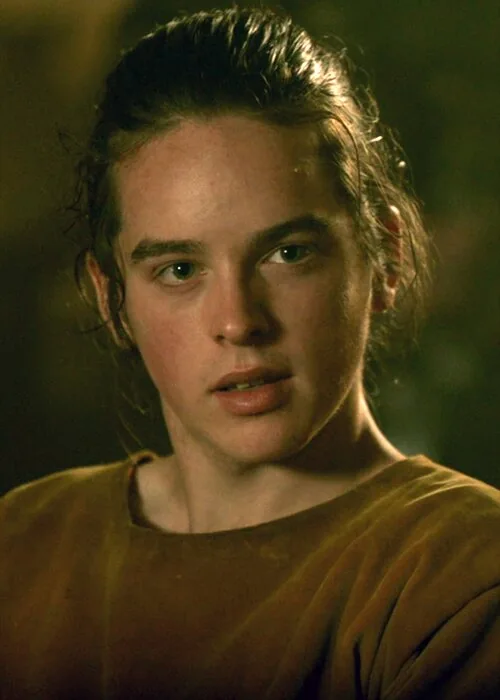
Alfred’s defeat of Guthrum at Edington in 878 was followed by negotiation and baptism. Wessex survived, while Scandinavian power continued elsewhere. It was a turning point within a long struggle for rule.
The screen distinctionThe series’ household relationships and compressed chronology are not a map of Alfred’s documented reign.
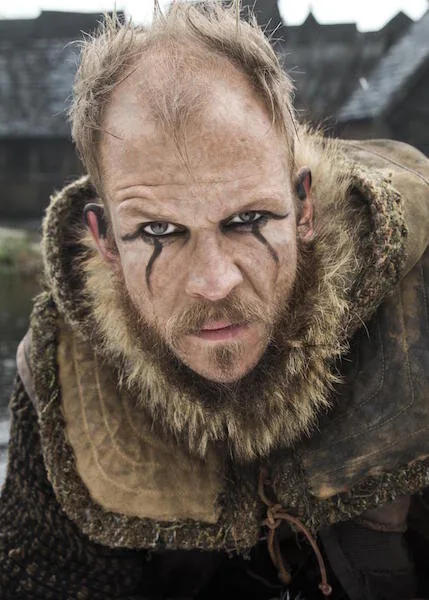
Norse settlements connected Iceland and Greenland, and archaeology establishes a presence in Newfoundland. Wood from L’Anse aux Meadows provides a precise date of activity in 1021; it does not date the first arrival.
The screen distinctionFloki and Ubbe’s screen journeys should not be used to identify the crews at an archaeological site.
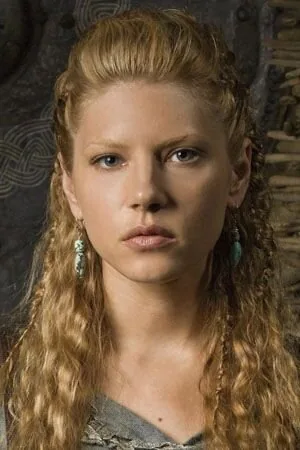
The most useful history extends beyond a warrior’s career. Household authority, textile production, marriage, assembly politics and enslavement reveal different kinds of power, work and constraint.
The screen distinctionLagertha’s screen career is a prompt for historical questions, not evidence that every woman had the same rights or opportunities.

Objects, ritual sites, outside accounts and later written myths illuminate different parts of belief. Christianization took generations and varied by region. A ruler’s conversion did not change every household at once.
The screen distinctionA scene at Uppsala is a dramatic construction. It cannot supply a universal script for worship, sacrifice or conversion.

Baltic and river networks linked Scandinavians with Slavic, Finnic and other communities, the Islamic world and Byzantium. Silver, furs, slavery and military service made the eastern world larger than any one court.
The screen distinctionIvar’s encounter with Oleg belongs to the drama. The historical Rus developed through many communities and cannot be reduced to the show’s characters or modern national borders.
7 questions shown
Choose a focused archaeological investigation, a broader history or a collection of myths according to the question you want to pursue. The reading guide compares those experiences and the editions worth checking.
Choose your next history book