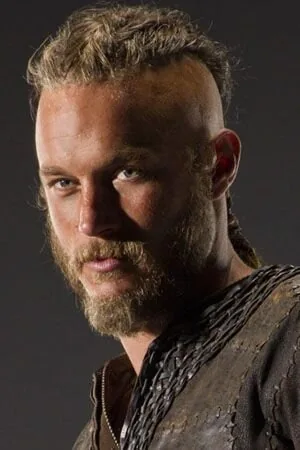
Who plays Ragnar Lothbrok in Vikings?
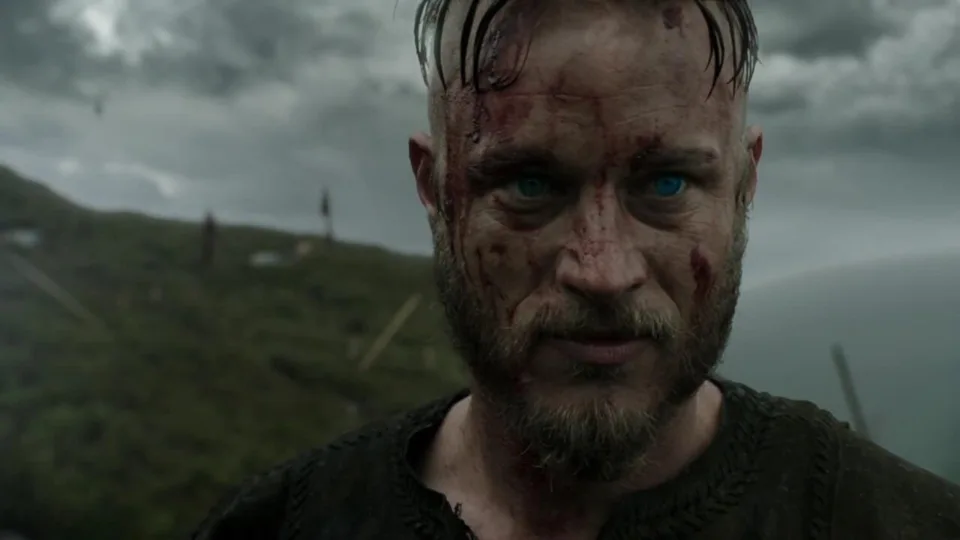
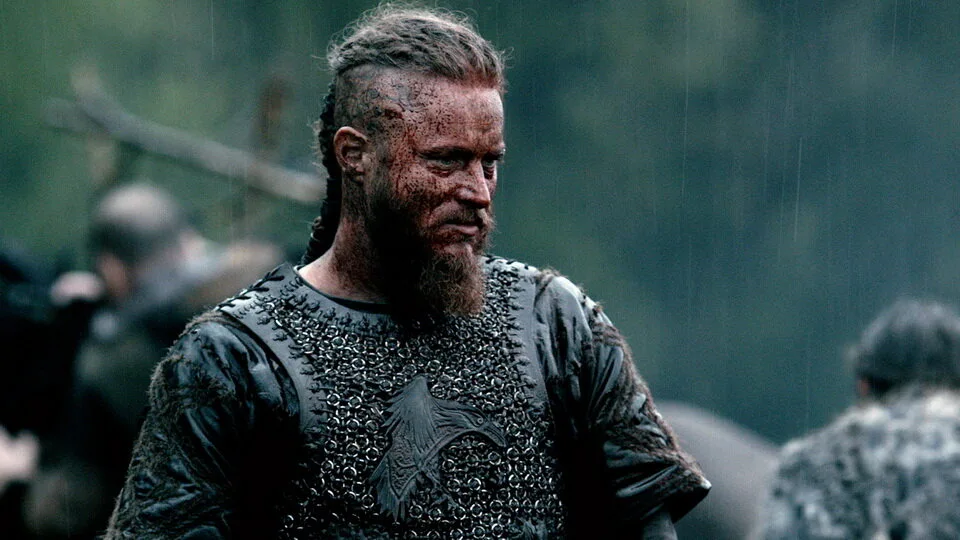
Ragnar Lothbrok is played by Travis Fimmel in the original Vikings series.
Explore family, allies and rivals or follow the story sections below.
Cast references: Travis Fimmel.
Explore Ragnar Lothbrok’s story
Curiosity and power
Floki makes the westward voyage possible; Athelstan then gives Ragnar access to a culture he cannot understand through warfare alone. His rise to earl changes the scale of his responsibilities.
A divided household
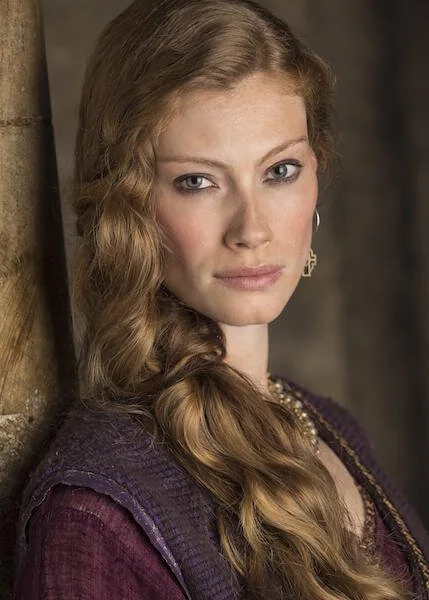
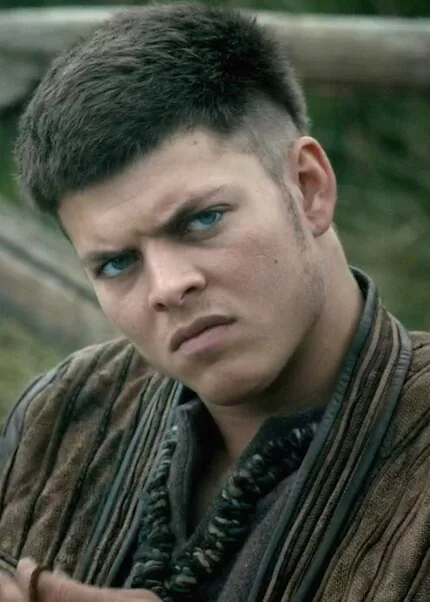
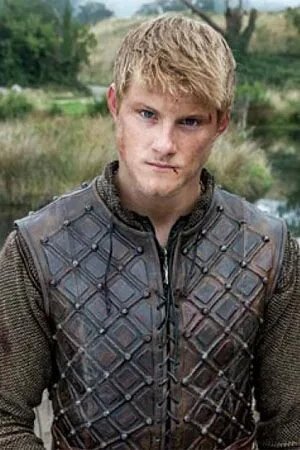
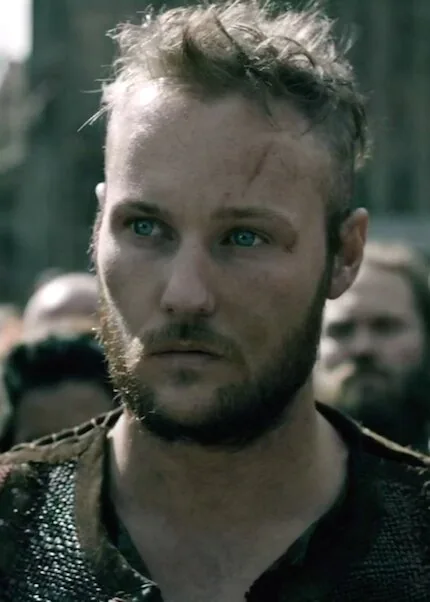
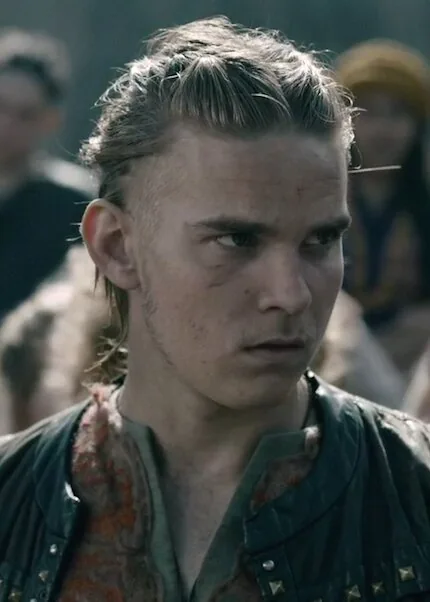
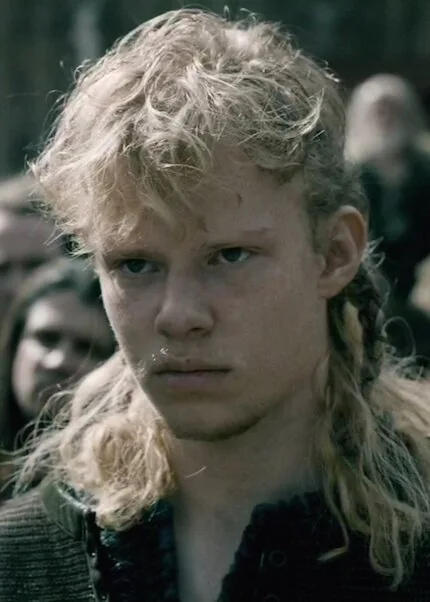
Aslaug’s arrival fractures his marriage to Lagertha. Bjorn leaves with his mother, while Ragnar and Aslaug raise Ubbe, Hvitserk, Sigurd and Ivar.
The farming ambition
Settlement has a practical importance that can disappear behind the raids. Keep that objective in mind whenever a victory is celebrated: has it secured a future for ordinary people, or chiefly increased the leader’s reputation? The difference is a useful measure of the gap between Ragnar’s early dream and the demands of kingship.
The cost of the legacy
His rivalry with Ecbert and his final English journey redirect the story toward his sons. His death becomes the catalyst for their campaign of revenge.
The private conversation that changes the war
In “All His Angels” (4.15), Ragnar gets a private meeting with Ivar before he is delivered to Ælle. He directs vengeance toward Ecbert, contradicting what he promised the king. This makes the apparent prisoner the author of a future conflict: Ecbert controls the transfer, but Ragnar controls the message his son carries home. It is a useful scene for understanding why the final journey is more than a failed raid. Ragnar is turning the consequences of his death into a weapon.
A performance of belief
The same episode places Ragnar’s doubt beside his public language about Odin and Valhalla. One reading is that he distinguishes private uncertainty from the story his audience needs to hear. His captors, his followers and his sons all have reasons to remember the death differently. A simple conversion label misses that tension. A spoken declaration, especially at an execution staged to humiliate its speaker, does not settle every contradiction in a character’s interior life.
What to watch on a rewatch
Follow the difference between a question and an order. Ragnar’s fascination with another person can be generous, instrumental, or both; the tension matters more than a simple label of tolerant explorer. Compare his patient listening with the moments when ambition leaves another person to absorb the cost. The resulting portrait can accommodate affection and ruthlessness without excusing either. His children inherit a reputation that is more coherent than the man who produced it, which helps explain why they draw incompatible lessons from the same father.
How to read the legend
Ragnar’s Odin ancestry belongs to the story’s religious and legendary framework. A character’s belief or assertion is not historical verification.
Relationships & loyalties
Episode-by-episode evolution
The turning points in Ragnar Lothbrok’s story, from the earliest chapter onward.
- Season 1 · Episode 01
Rites of Passage
Ragnar openly challenges the direction set by Earl Haraldson.
Read the episode guide - Season 1 · Episode 06
Burial of the Dead
Ragnar receives public allegiance.
Read the episode guide - Season 2 · Episode 10
The Lord's Prayer
Ragnar defeats Horik and takes the kingship.
Read the episode guide - Season 3 · Episode 06
Born Again
Floki kills Athelstan; Ragnar carries him away for burial.
Read the episode guide - Season 3 · Episode 10
The Dead
Ragnar emerges alive from the coffin inside the city.
Read the episode guide - Season 4 · Episode 10
The Last Ship
Rollo’s force defeats the Vikings despite their initial success against a first group of ships. Ragnar and Rollo fight; wounded companions are taken back as the Vikings retreat. Francia celebrates Rollo.
Read the episode guide - Season 4 · Episode 14
In the Uncertain Hour Before the Morning
Ecbert receives Ragnar and promises Ivar’s safety. The two men discuss faith, Athelstan and their past. Ecbert agrees to send Ragnar to Ælle and return Ivar home; Ragnar promises that Wessex will not face his sons’ revenge.
Read the episode guide - Season 4 · Episode 15
All His Angels
Ragnar privately tells Ivar to avenge him against Ecbert, contradicting the assurance he gave Wessex. Before leaving, he gives Athelstan’s cross to Alfred. Ecbert secretly follows to witness what happens.
Read the episode guide
Memorable scenes & lines
Carrying Athelstan to a burial place
Season 3, episode 6
After Athelstan’s killing, Ragnar carries his body away and buries him near the waterfall associated with their shared prayer. He wears the cross and changes his appearance. The intimate physical work gives grief a form very different from public retaliation.
Why this moment matters
The physical effort of carrying the body gives Ragnar’s attachment a weight that declarations alone cannot provide. He is doing something for a friend who can no longer help him win land or influence. Yet the cross and the burial do not erase their unequal beginning; the tenderness exists inside a relationship that started with captivity.
The farewell that becomes an instruction
Season 4, episode 15
Ragnar asks to speak privately with Ivar before being transferred to Ælle. He directs revenge toward Ecbert, undermining the promise that made the arrangement possible. The scene preserves his ability to shape consequences when he can no longer control where he is taken.
Why this moment matters
Ragnar converts an apparently powerless farewell into an instruction that will outlive him. Ecbert can decide where the prisoner goes, but cannot control the meaning carried home by his son. The intimacy matters because Ivar receives both a father’s attention and a task through which that attention can become political authority.
“My death comes without apology.”
Why fans keep talking
Ragnar’s appeal and the objections to him grow from the same ability to make his private desires command a larger story. Curiosity opens the world, but it also allows him to decide what others must sacrifice for discovery. His treatment of Lagertha and concealment of inconvenient knowledge make that cost difficult to ignore. Affection for his imagination, grief and humor therefore need not require a defense of every decision. The burial and final farewell bring the contradiction into especially clear focus: love can be genuine while calculation remains active.
What resonates
Ragnar’s charisma, curiosity and contradictions make him fascinating to follow. For his defenders, being drawn to a flawed protagonist does not mean approving of his conduct.
What divides viewers
His treatment of Lagertha, attempts to control Athelstan and decisions involving Borg make affection for him difficult for other viewers.
Character gallery
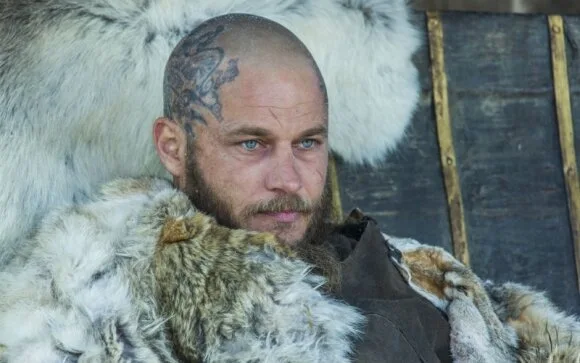
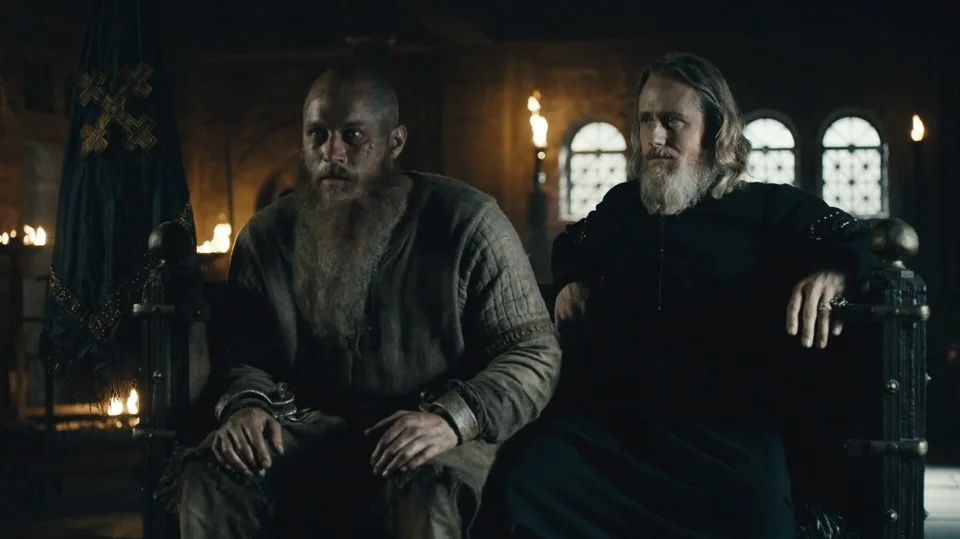
The world behind the character.
Was Ragnar Lothbrok a real person?
The familiar Ragnar gathers several kinds of material into one life. Later legends and the historical campaigns associated with men claimed as his sons do not establish the television biography.
Keep the distinctionRead the family on screen as drama; investigate a named person, campaign or source separately.
What is historical about Rollo and Paris?
Rollo belongs to the history of Normandy. The agreement associated with 911, conversion and the growth of territorial rule explain his significance. His role as Ragnar’s brother belongs to the series.
Keep the distinctionThe Paris attack of 845, the siege of 885–886 and Normandy’s foundation are distinct episodes of history. The drama brings material together.

Who plays Ragnar Lothbrok?
Travis Fimmel portrays Ragnar Lothbrok.
Originally from Echuca in Victoria, Australia, Fimmel has moved between television, independent film and large-scale fantasy. Beyond Ragnar, his screen work includes Warcraft, Maggie’s Plan and the crime series The Beast.
Questions fans ask
Why is Ragnar harsher toward Floki in season 4?
The relationship follows Floki’s killing of Athelstan. The act and Ragnar’s grief are screen events; whether jealousy entirely explains Floki is an interpretive question, not an established answer.
Ragnar Lothbrok and the historical evidence
Legendary traditions; historical identity disputed. Treat his television story as an adaptation of several traditions. A named leader in an account of a raid does not verify every journey or relationship attached to Ragnar in later storytelling.
Compare the screen character with the sources