What happens in The Lord Giveth...?
Spoilers for this episode and earlier events.
The welcoming community exchanges knowledge and skills with Ubbe’s group, while familiar Norse words hint at previous contact. Floki’s survival provides the answer. A settler’s interest in gold threatens the calm. Back home, Ingrid defeats the attempt to assassinate her and Erik is killed. In Wessex, Alfred is wounded but continues fighting, seeing religious reassurance amid the violence. Harald’s last moments include a vision of Halfdan, linking the end of his ambition to the brother he killed.
- Season & episode
- Season 6, episode 19 of 20
- Series order
- 88 of 89
Story connections: Ubbe, Floki, Ivar the Boneless and Hvitserk.
Identify a face in this episode.
Episode references: Episode guide.
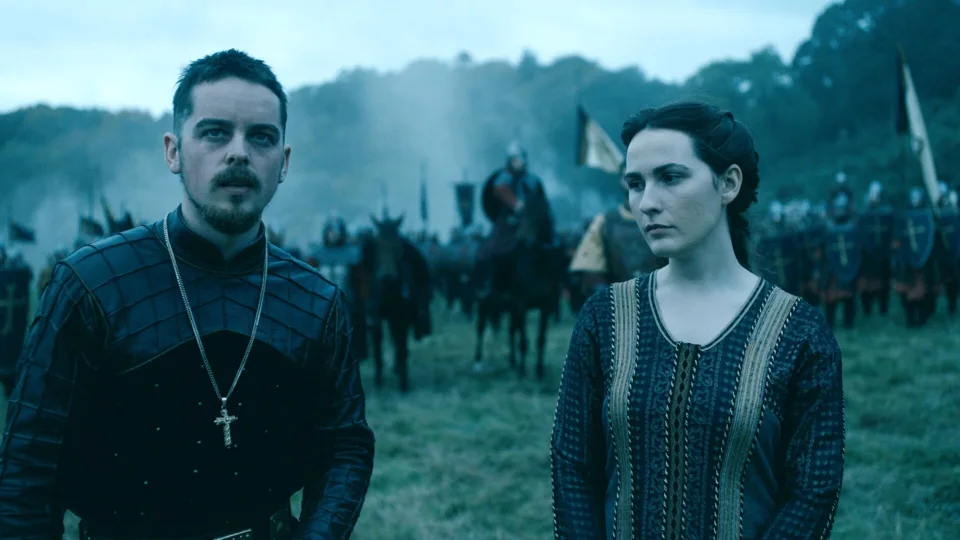
Key events and consequences
The reunion with Floki changes exploration from a claim to be first into an encounter with prior journeys and relationships. Interest in gold introduces a threat to the welcome Ubbe's group receives. Harald's death and the failed plot against Ingrid meanwhile separate the futures of the army abroad and the throne left behind.
- Harald kills his attacker before dying.
- The plot against Ingrid ends with Erik’s death.
- Ubbe is reunited with Floki.
Key characters
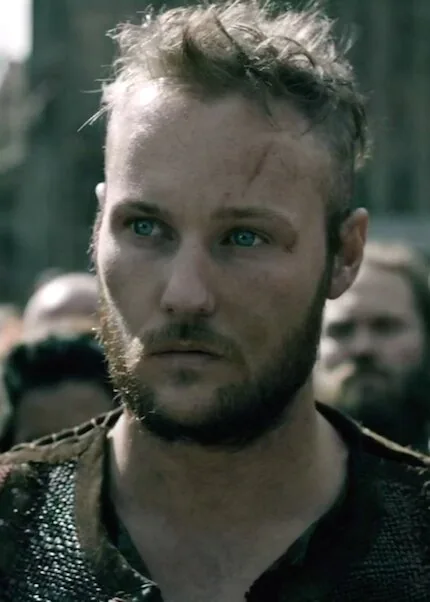
Ubbe
Ubbe is reunited with Floki.
Character story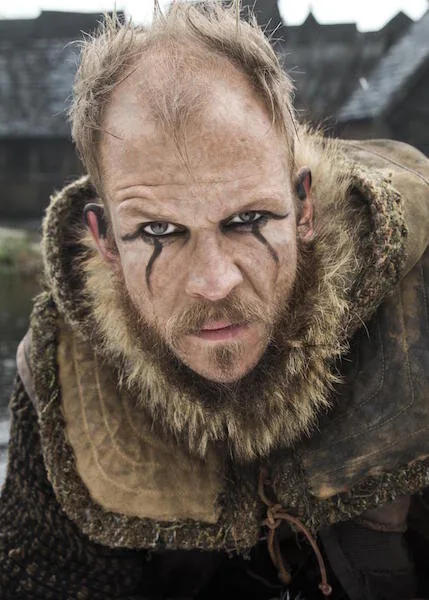
Floki
Ubbe is reunited with Floki.
Character story
Ivar the Boneless
Character story
Hvitserk
Character story
King Harald Finehair
Character story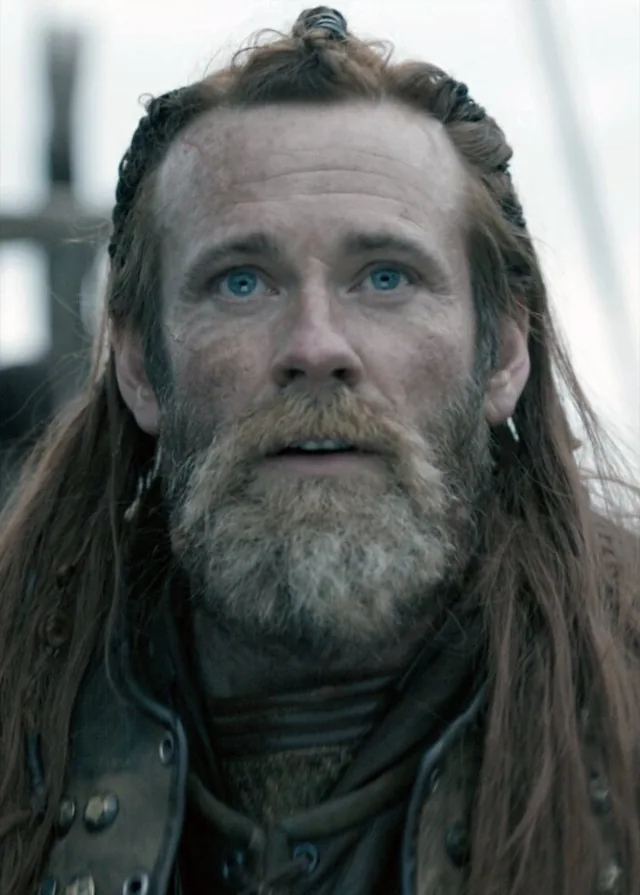
Erik
The plot against Ingrid ends with Erik’s death.
Character story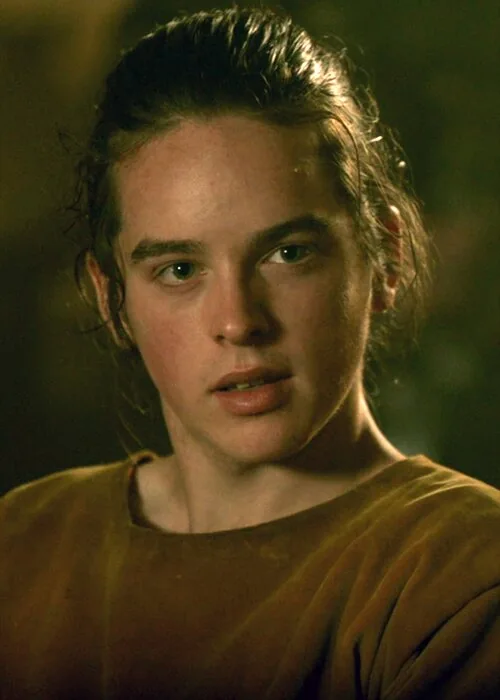
Alfred
Character story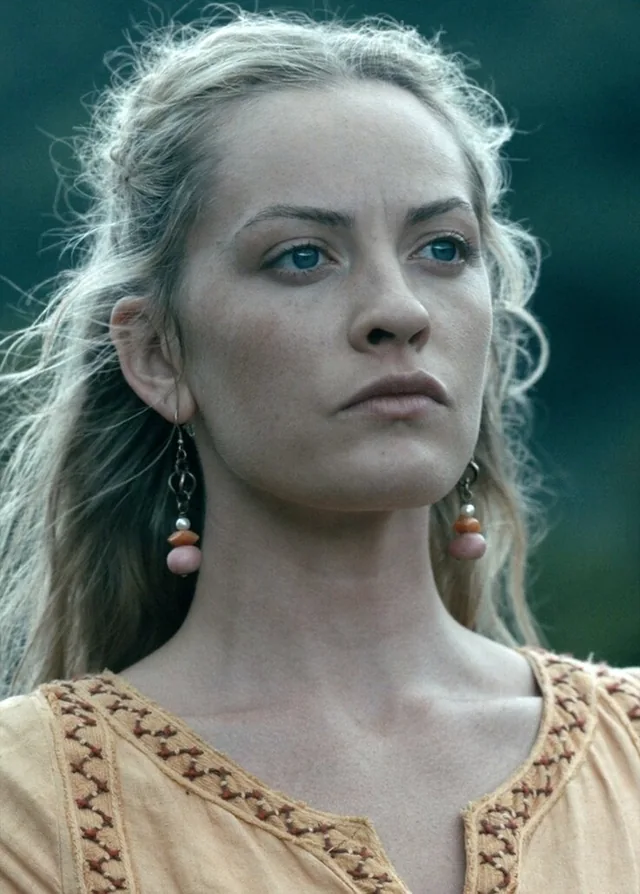
Ingrid
The plot against Ingrid ends with Erik’s death.
Character storyLocations and story geography
The western land
Floki's presence reveals earlier contact and makes listening as important as discovery.
Wessex
The battle costs Harald his life while Alfred continues despite being wounded.
Kattegat
The defeat of the assassination plot removes Erik and leaves Ingrid's position stronger.
These are places in the story. For the real landscapes used on screen, explore the filming-location guide.
The episode breakdown
The penultimate changes of fortune
The welcoming community exchanges knowledge and skills with Ubbe’s group, while familiar Norse words hint at previous contact. Floki’s survival provides the answer. A settler’s interest in gold threatens the calm. Back home, Ingrid defeats the attempt to assassinate her and Erik is killed. In Wessex, Alfred is wounded but continues fighting, seeing religious reassurance amid the violence. Harald’s last moments include a vision of Halfdan, linking the end of his ambition to the brother he killed.
Whose future is being protected?
there are several endings here, but they do not have equal emotional scales. A throne can survive a ruler; a family reconciliation can exist only in a dying person’s vision; a meeting can reopen a story presumed finished. On rewatch, compare those kinds of closure rather than treating every death as the same narrative transaction. Floki’s return offers continuity without restoring the world as it used to be. The final reunion also shifts the meaning of exploration. Ubbe does not simply encounter untouched space; he discovers established relationships, prior arrivals and obligations that require listening before claiming authority.
Themes to follow
- The penultimate changes of fortune
- Whose future is being protected?
The history behind this episode.
How did Alfred’s Wessex survive?
Alfred’s defeat of Guthrum at Edington in 878 was followed by negotiation and baptism. Wessex survived, while Scandinavian power continued elsewhere. It was a turning point within a long struggle for rule.
Keep the distinctionThe series’ household relationships and compressed chronology are not a map of Alfred’s documented reign.
How far did the real voyages reach?
Norse settlements connected Iceland and Greenland, and archaeology establishes a presence in Newfoundland. Wood from L’Anse aux Meadows provides a precise date of activity in 1021; it does not date the first arrival.
Keep the distinctionFloki and Ubbe’s screen journeys should not be used to identify the crews at an archaeological site.