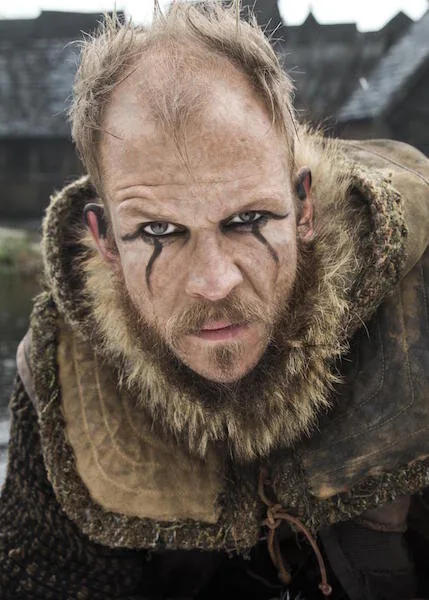
Who plays Floki in Vikings?
Floki is played by Gustaf Skarsgård in the original Vikings series.
Explore family, allies and rivals or follow the story sections below.
Cast references: Gustaf Skarsgård.
Explore Floki’s story
Craft and conviction
The boatbuilder’s friendship with Ragnar rests on trust, ingenuity and shared risk. His suspicion of Christianity puts Athelstan at the center of a growing fracture.
The material and the sacred
Floki understands timber and ship design in practical detail while speaking about the world through religious conviction. The series gains energy from allowing both capacities to occupy the same person. Reading his eccentricity only as comedy loses the craftsman; reading him only as a fanatic loses the inventive intelligence that the voyages depend upon.
The break with Ragnar
Floki kills Athelstan after interpreting a vision as divine instruction. The act devastates Ragnar and turns his hostility toward Athelstan into an irreversible personal betrayal.
Friendship has become a religious boundary
Floki’s conflict with Athelstan works on two connected levels. He objects to Christian influence, and he watches Ragnar give unusual attention to someone who represents it. An editorial reading can recognize jealousy without pretending that every religious statement is merely a disguise for it. The danger is precisely their combination: a personal hurt gains the apparent authority of divine instruction. Once violence has been justified as a sacred duty, admitting the hurt underneath becomes more difficult, because it would expose the act to ordinary human judgment.
A settlement cannot escape its people
In Iceland, Floki hopes to establish a better community, but conflict follows the settlers. The storyline tests whether geographical escape can overcome human habits.
What the departure changes
The season 5 production synopsis frames Floki’s voyage through the loss of Helga and his willingness to submit to the gods. That starting point changes how to read the expedition. It is not simply another version of Ragnar’s appetite for new territory; it is also a bereaved person searching for a place where a different life might be possible. The settlement becomes a test of that hope. Taking a ship out of the old political world cannot guarantee that everyone aboard has left its habits behind.
The final reunion
Ubbe finds him alive in the new land. Their conversation turns from conquest toward memory, uncertainty and what it might mean to leave old patterns behind.
An ending that changes the question
In the final reunion with Ubbe, the valuable contrast is between building a ship and building a life. Early Floki can solve the practical problem of reaching an unknown shore. The older figure cannot supply an equally certain answer about what the travelers should become there. Read that uncertainty as a development in the character rather than a missing explanation. A story that began with religious certainty and ingenious solutions ends by making room for grief, companionship and questions that do not yield to craftsmanship.
Relationships & loyalties
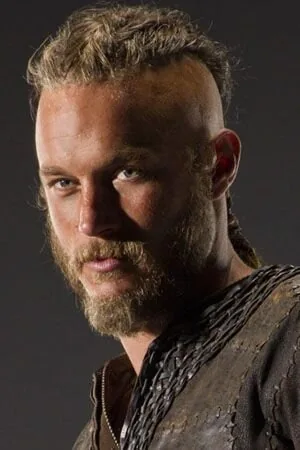
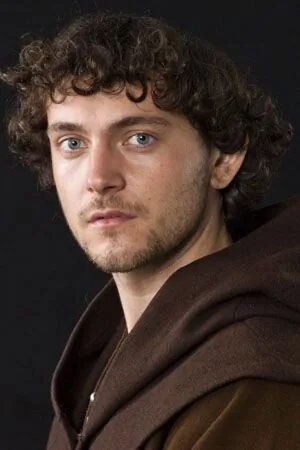
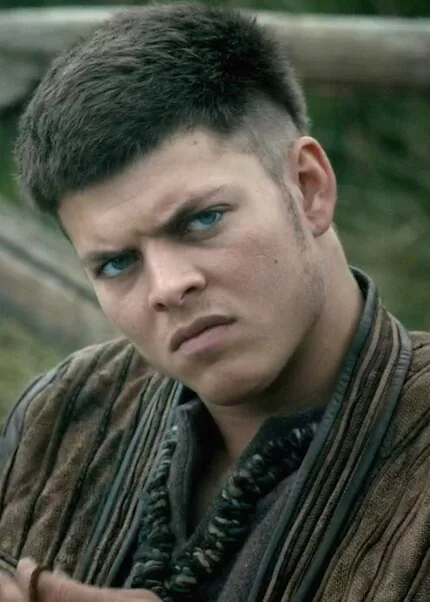
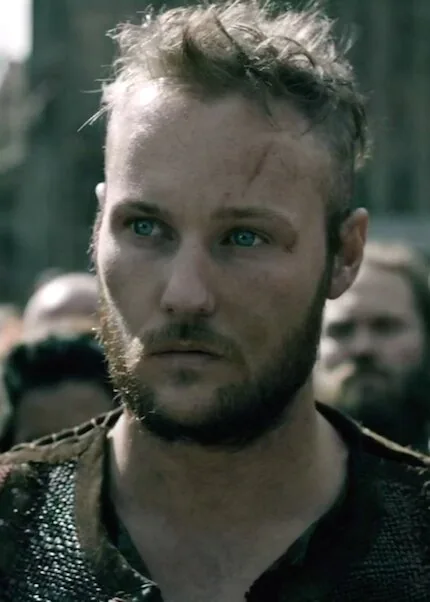
Episode-by-episode evolution
The turning points in Floki’s story, from the earliest chapter onward.
- Season 1 · Episode 02
Wrath of the Northmen
Ragnar's crew crosses the sea and attacks Lindisfarne, bringing Athelstan into their story.
Read the episode guide - Season 2 · Episode 10
The Lord's Prayer
Horik seeks help from Floki and Siggy.
Read the episode guide - Season 3 · Episode 06
Born Again
Floki kills Athelstan; Ragnar carries him away for burial.
Read the episode guide - Season 4 · Episode 01
A Good Treason
Bjorn arrests Floki for killing Athelstan, but Ragnar objects to the public handling of the punishment when he recovers enough to return to the hall. Bjorn decides to test himself alone in the wilderness.
Read the episode guide - Season 5 · Episode 07
Full Moon
The settlers begin confronting the practical question of authority after accepting Floki’s promise of a different life.
Read the episode guide - Season 5 · Episode 19
What Happens in the Cave
The Christian cross in the cave disrupts Floki’s account of the land and his search for the gods; its meaning is not a historical claim by the guide.
Read the episode guide - Season 6 · Episode 19
The Lord Giveth...
Ubbe is reunited with Floki.
Read the episode guide - Season 6 · Episode 20
The Last Act
Ivar’s final battle ends in death, Hvitserk accepts a new faith and name, and Ubbe faces the first serious test of coexistence in the land where he has found Floki.
Read the episode guide
Memorable scenes & lines
The prayer interrupted
Season 3, episode 6
Floki interprets an apparent sign of blood as a demand for sacrifice and goes to the praying Athelstan. He kills him, transforming religious hostility and personal jealousy into an irreversible fracture with Ragnar.
Why this moment matters
Floki turns a private interpretation of a sign into permission to end another person’s life. Athelstan’s prayer leaves little room to imagine an immediate military threat, exposing the distance between religious certainty and necessity. The killing also forces Ragnar’s affection for two friends into an impossible shape: preserving one relationship can no longer restore the other.
Refusing another killing in the mosque
Season 4, episode 16
During the raid on Algeciras, Floki is absorbed by the worship he encounters and stops the warriors from killing the men praying. The intervention creates a meaningful contrast with his earlier intolerance without erasing what he has done.
Why this moment matters
The mosque interrupts the assumption that an unfamiliar faith can only be an enemy. Floki does not merely observe; he intervenes against his companions’ expected violence. That matters because the capacity for wonder was always present in the craftsman. The scene redirects it toward people whose worship he does not share, without granting him absolution for Athelstan.
The final conversation with Ubbe
Season 6, episode 20
In the new land, Floki answers Ubbe’s larger questions with an invitation to release the past. Their quiet exchange gives the shipbuilder’s story an ending shaped by companionship and uncertainty rather than another public triumph.
Why this moment matters
The man who once answered Ragnar’s impossible ambition by building a ship no longer offers certainty about what discovery means. His companionship with Ubbe matters more than a final explanation of the gods. The quiet exchange lets a life marked by zeal, loss and failed settlement end with a willingness to stop making every question into a command.
“Let the past go.”
Why fans keep talking
Floki invites attachment through inventiveness and humor, then tests that attachment through intolerance and jealousy. Anger over Athelstan’s death is not separate from missing the earlier playful boatbuilder; it responds to the same imaginative energy becoming destructive. His intervention in the mosque and his final conversation make change possible without pretending the damage never happened. The argument over him is consequently about whether later openness gives the entire journey meaning or merely arrives after a loss that cannot be repaired. Enjoying the performance does not settle that moral question.
What resonates
His craft, humor and spiritual searching can draw viewers back even after his darkest choices. The ending gives some fans a new perspective on his journey.
What divides viewers
Religious extremism, jealousy and Athelstan’s killing make him difficult to forgive. Others miss the lighter character they first encountered.
Character gallery
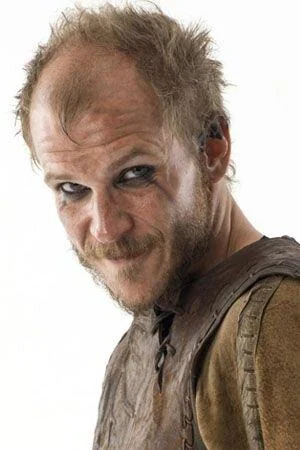
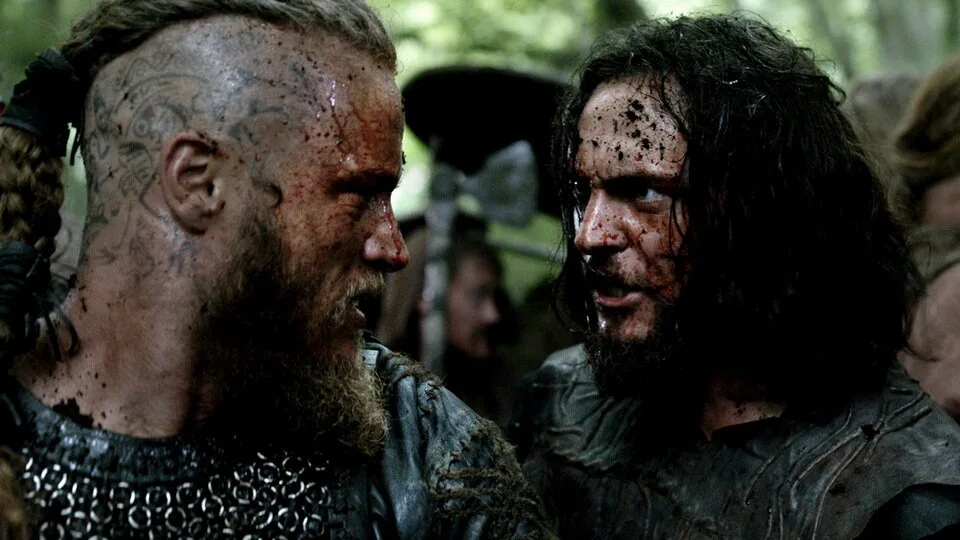
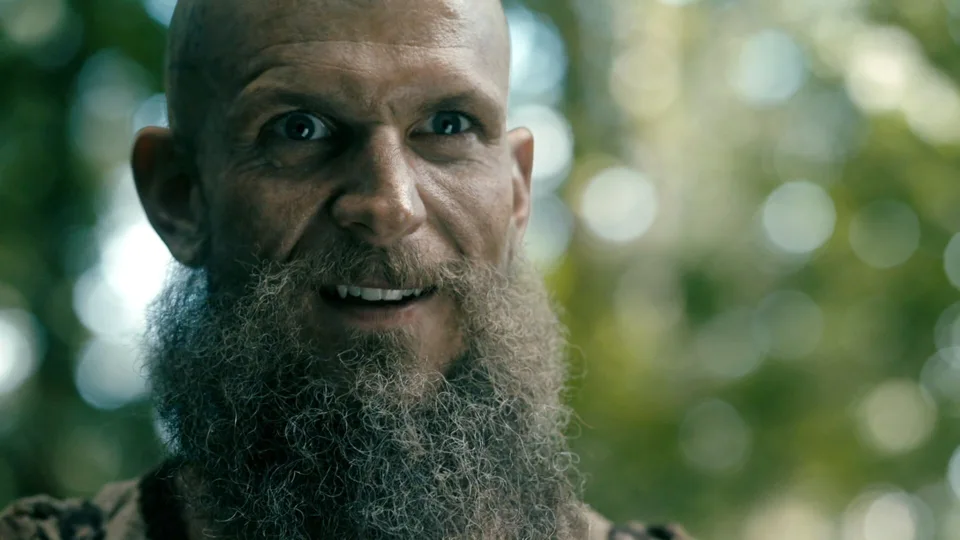
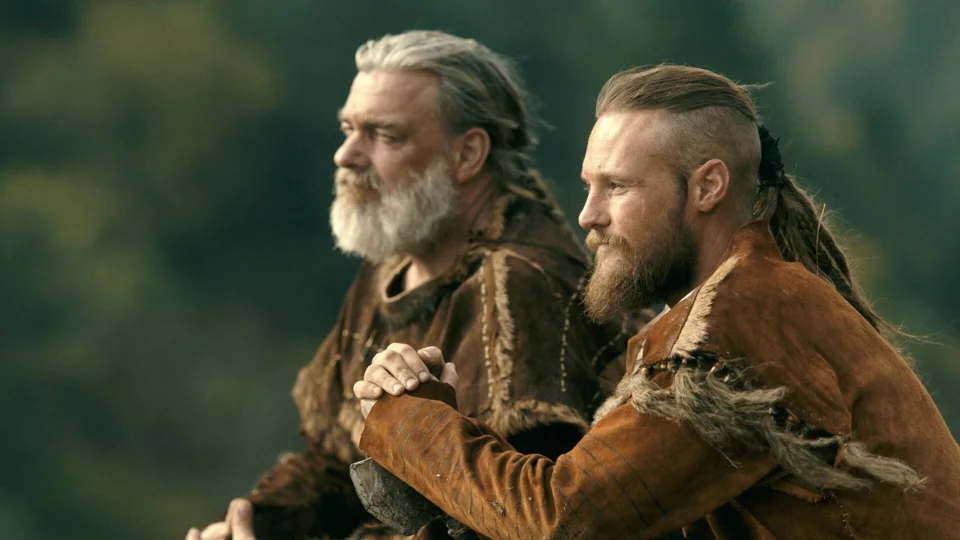
The world behind the character.
How far did the real voyages reach?
Norse settlements connected Iceland and Greenland, and archaeology establishes a presence in Newfoundland. Wood from L’Anse aux Meadows provides a precise date of activity in 1021; it does not date the first arrival.
Keep the distinctionFloki and Ubbe’s screen journeys should not be used to identify the crews at an archaeological site.
How did Norse belief and Christianity coexist?
Objects, ritual sites, outside accounts and later written myths illuminate different parts of belief. Christianization took generations and varied by region. A ruler’s conversion did not change every household at once.
Keep the distinctionA scene at Uppsala is a dramatic construction. It cannot supply a universal script for worship, sacrifice or conversion.

Who plays Floki?
Gustaf Skarsgård portrays Floki.
Skarsgård built his career in Swedish film and theatre. He entered the Stockholm Academy of Dramatic Arts at 18, graduated in 2003 and joined the Royal Dramatic Theatre ensemble.
Questions fans ask
Why does Floki resent Ragnar’s closeness to Athelstan?
Religious opposition is explicit. Personal jealousy is an interpretation of the friendship’s changing balance, not a reason to dismiss every stated belief. Both readings can be examined without claiming a single confirmed inner motive.