
Who plays Ivar the Boneless in Vikings?
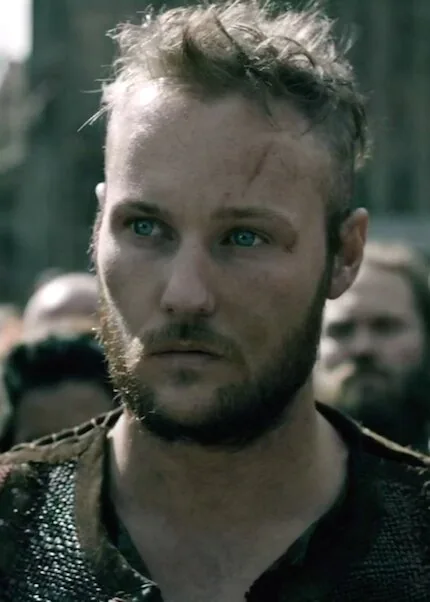
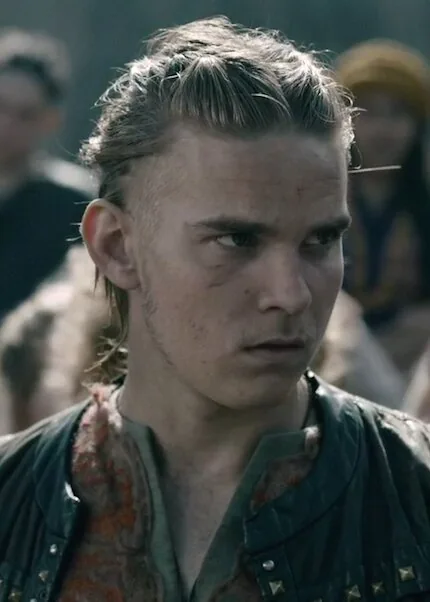
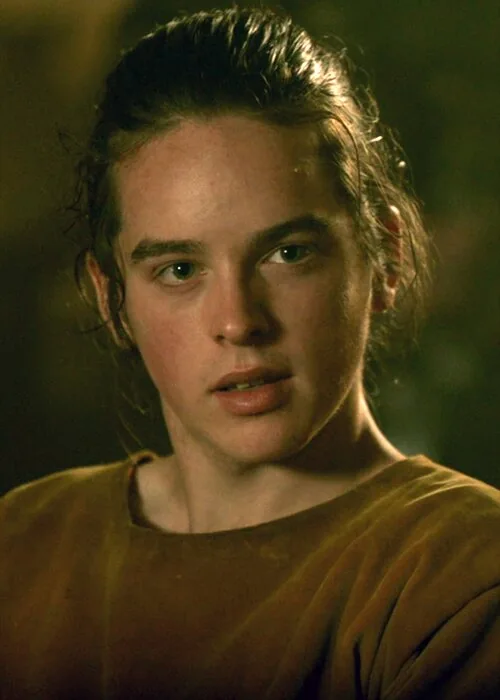
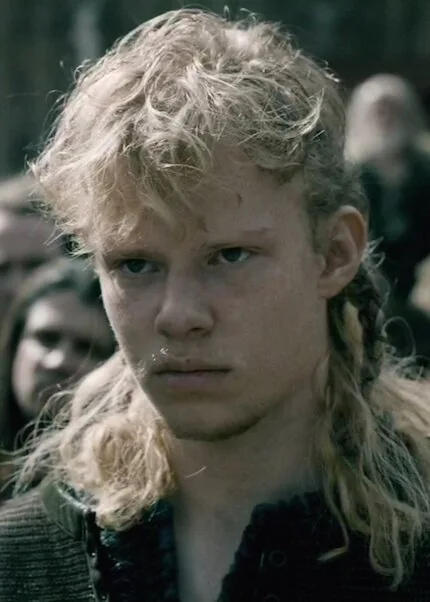
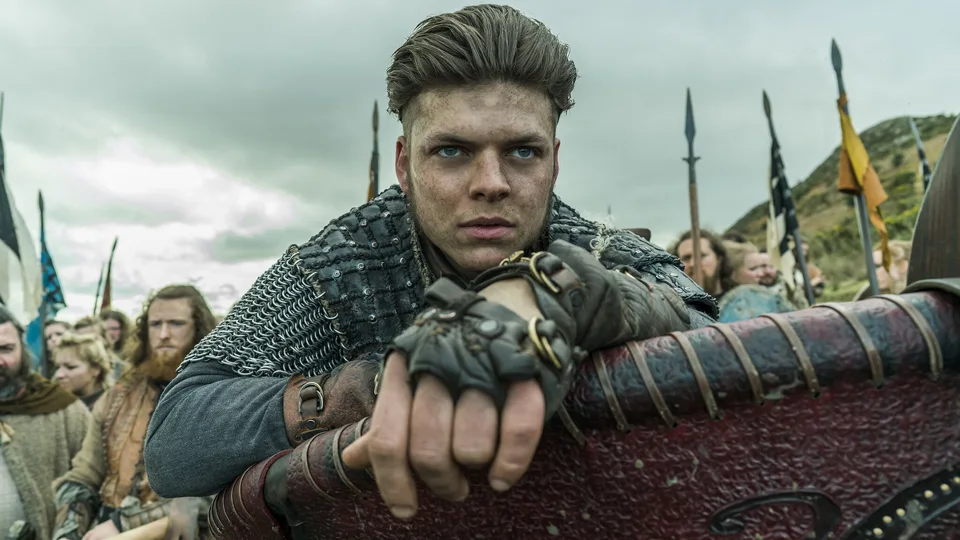
Alex Høgh Andersen plays the older Ivar the Boneless. James Quinn Markey plays the younger Ivar.
Explore family, allies and rivals or follow the story sections below.
Cast references: Alex Høgh Andersen · James Quinn Markey.
Explore Ivar the Boneless’s story
Family and formation
Aslaug protects him from infancy and later entrusts Floki with his education. His bond with Ragnar gains new intensity on their final journey to England.
A revenge army becomes a divided family
The campaign for Ragnar’s vengeance does not unite the brothers permanently. Killing Sigurd and competing with Ubbe expose the danger inside their own coalition.
Why killing Sigurd matters to leadership
The killing at the end of season 4 is more than an escalation in Ivar’s violence. It creates a credibility problem inside the coalition he wants to lead. The army’s ability to frighten an enemy is one question; whether its leaders can trust each other is another. The season 5 premise begins from that rupture. Read subsequent claims of authority against the memory of the family scene: strategy may win followers in battle, but it cannot make a brother forget what happened when an argument became lethal.
The final lesson from Ragnar
“All His Angels” gives Ivar a private instruction from his father and returns him to Kattegat carrying knowledge his brothers did not receive directly. That position matters as much as the instruction itself. He becomes the witness through whom the others encounter Ragnar’s final intention. An editorial reading can see how the message becomes a source of purpose and leverage. Yet his version of the legacy remains one interpretation among several: revenge, settlement, fame and exploration will not lead all the sons in the same direction.
Respect without absolution
The official premise presents a dangerous ambition. A thoughtful character guide can examine the exclusion and vulnerability behind his demand for respect while still naming the choices that injure others. Explanation is useful precisely because it can hold those facts together. Treating pain as automatic innocence or ambition as proof of confidence would make the portrayal less understandable.
The actor resists a single explanation
In a season 5 interview, Alex Høgh Andersen emphasizes Ivar’s complexity and unpredictability, including his own need to keep asking what the character would do. That is useful context for a portrayal often reduced to cruelty or genius. The dramatic interest lies in the unstable connection between calculation and emotion. A tactical success does not mean he controls his personal responses; a vulnerable scene does not erase his responsibility for harm. Holding those ideas together makes his changes legible without pretending they follow one simple psychological rule.
Power and its performance
His rule in Kattegat uses fear and divine status to secure obedience. The subsequent Rus storyline changes his circumstances and exposes a different side of his relationship with Igor.
Relationships & loyalties

Episode-by-episode evolution
The turning points in Ivar the Boneless’s story, from the earliest chapter onward.
- Season 4 · Episode 11
The Outsider
Ragnar tells Floki he loves him and apologizes to Lagertha. After a failed attempt to end his life, he returns to Kattegat and asks Ivar to join his English voyage. Ivar accepts.
Read the episode guide - Season 4 · Episode 15
All His Angels
Ragnar privately tells Ivar to avenge him against Ecbert, contradicting the assurance he gave Wessex. Before leaving, he gives Athelstan’s cross to Alfred. Ecbert secretly follows to witness what happens.
Read the episode guide - Season 4 · Episode 20
The Reckoning
Tanaruz kills Helga and herself. Ecbert dies by his own hand. After the brothers argue over future plans and exchange insults, Ivar kills Sigurd with an axe. The closing scene introduces Bishop Heahmund.
Read the episode guide - Season 5 · Episode 03
Homeland
Military success at York strengthens Ivar’s position without resolving the argument over whether negotiation offers a better future.
Read the episode guide - Season 5 · Episode 14
The Lost Moment
The spectacle in Kattegat replaces an absent opponent with a public image, making cruelty part of the story Ivar tells about his power.
Read the episode guide - Season 5 · Episode 20
Ragnarok
Freydis’s knowledge helps break Ivar’s control, showing that the vulnerability inside his household matters as much as the opposing army.
Read the episode guide - Season 6 · Episode 01
New Beginnings
Bjorn banishes Ivar’s collaborators rather than executing them.
Read the episode guide - Season 6 · Episode 20
The Last Act
A young Saxon soldier fatally stabs Ivar.
Read the episode guide
Memorable scenes & lines
Victory ends with a brother’s death
Season 4, episode 20
After the Saxon defeat, the brothers disagree about their next direction. The argument becomes personal and Ivar kills Sigurd with an axe. Success against a shared enemy has not created safety within the family that led the campaign.
Why this moment matters
The army’s victory ought to give the brothers a shared platform for deciding what follows. Instead, an argument crosses into irreversible violence. Ivar’s tactical importance can no longer be separated from the danger of standing close to him. Sigurd’s death makes family membership an insufficient protection and turns the coalition’s success into evidence of its fragility.
The last stand and the brother beside him
Season 6, episode 20
During the final battle, Ivar tells Hvitserk to leave and save himself, then faces a young Saxon who fatally wounds him. Hvitserk holds him as Alfred witnesses the aftermath, placing tenderness beside the long history of violence between the brothers.
Why this moment matters
The final encounter gives Hvitserk the vulnerable brother rather than only the ruler or strategist. Ivar’s invitation to leave, followed by the soldier’s fatal blows, does not cancel earlier harm; it changes what the surviving brother must carry. Alfred’s presence expands the moment beyond private grief, allowing an enemy to witness a bond that conquest could not secure.
“Don’t be afraid.”
Why fans keep talking
The attraction of Ivar’s story lies partly in intelligence under pressure and partly in the uncertainty of what that intelligence will serve. His violence makes sympathy difficult to sustain as a stable judgment. The relationship with Igor opens a different possibility, but whether it represents growth or a selective attachment remains contested. Oleg’s mirrored cruelty sharpens that question by making domination recognizable from the receiving end. The final tenderness with Hvitserk is moving because it belongs to the same man whose actions repeatedly made tenderness dangerous.
What resonates
Oleg’s disturbing resemblance to Ivar gives viewers another way to examine him. His care for Igor raises an appealing, disputed possibility of growth.
What divides viewers
His cruelty, especially the suffering inflicted on Thora’s family, makes later tenderness insufficient for viewers who cannot forgive the earlier harm.
Character gallery
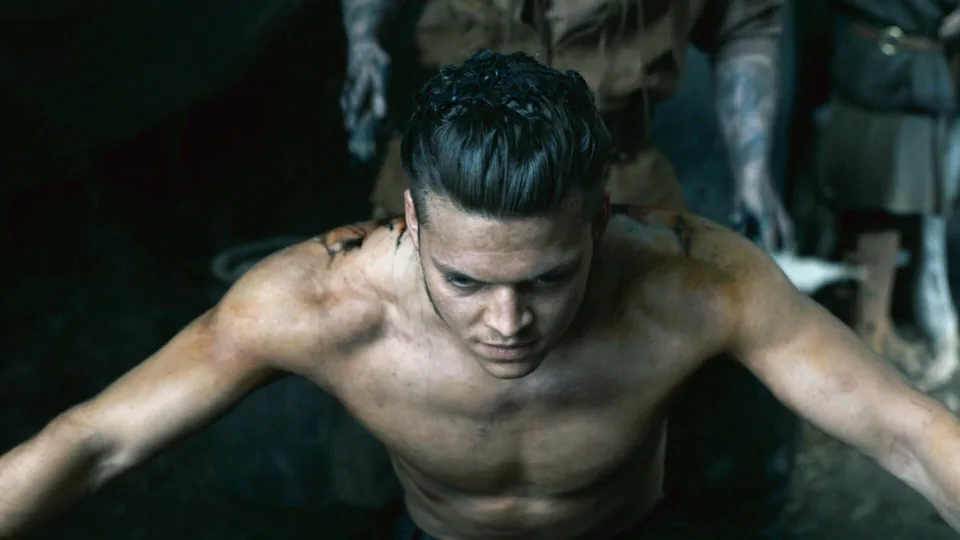
The world behind the character.
Was Ragnar Lothbrok a real person?
The familiar Ragnar gathers several kinds of material into one life. Later legends and the historical campaigns associated with men claimed as his sons do not establish the television biography.
Keep the distinctionRead the family on screen as drama; investigate a named person, campaign or source separately.
What lies behind Ivar and Oleg’s eastern storyline?
Baltic and river networks linked Scandinavians with Slavic, Finnic and other communities, the Islamic world and Byzantium. Silver, furs, slavery and military service made the eastern world larger than any one court.
Keep the distinctionIvar’s encounter with Oleg belongs to the drama. The historical Rus developed through many communities and cannot be reduced to the show’s characters or modern national borders.

Who plays Ivar the Boneless?
Alex Høgh Andersen portrays Ivar the Boneless in the older portrayal.
Andersen grew up southwest of Copenhagen, developing his interest in performance through childhood drama training and musical theatre. He studied Film and Media Studies at the University of Copenhagen and worked in Danish television and film before Vikings.