What happens in Sacrifice?
Spoilers for this episode and earlier events.
The group travels to Uppsala. Athelstan is rejected as a sacrificial candidate because his Christian belief remains. Leif volunteers; Ragnar undertakes a diplomatic task for Horik.
- Season & episode
- Season 1, episode 8 of 9
- Series order
- 8 of 89
Story connections: Ragnar Lothbrok, Lagertha, Athelstan and Rollo.
Identify a face in this episode.
Episode references: HISTORY season guide · Community episode record.
Key events and consequences
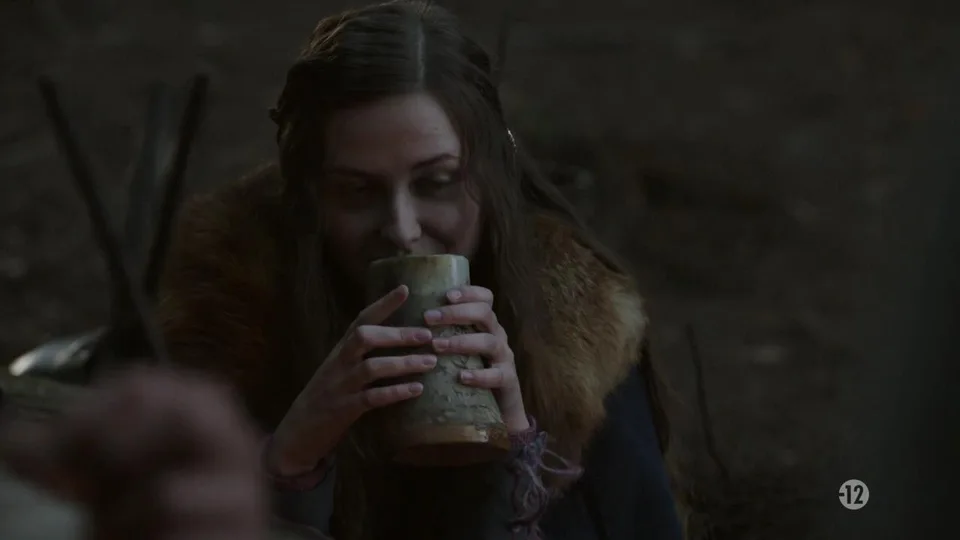
Athelstan's rejection as a sacrifice shows that living among the household has not erased the religious boundary around it. Leif's volunteering gives the ritual a different meaning for a participant who accepts its terms. Ragnar's meeting with Horik also connects personal hopes for the gods' favor to a wider political obligation.
- The group travels to Uppsala.
- Athelstan is rejected as a sacrificial candidate because his Christian belief remains.
- Leif volunteers; Ragnar undertakes a diplomatic task for Horik.
Key characters

Ragnar Lothbrok
Leif volunteers; Ragnar undertakes a diplomatic task for Horik.
Character story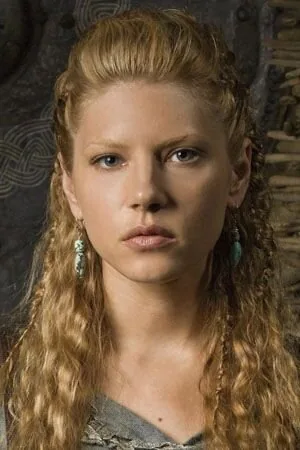
Lagertha
Character story
Athelstan
Athelstan is rejected as a sacrificial candidate because his Christian belief remains.
Character story
Rollo
Character story
Floki
Character story
Leif
Leif volunteers; Ragnar undertakes a diplomatic task for Horik.
Character storyLocations and story geography
Uppsala
The religious gathering tests Athelstan's belonging and brings Ragnar into contact with a king whose ambitions extend beyond Kattegat.
These are places in the story. For the real landscapes used on screen, explore the filming-location guide.
The episode breakdown
Belonging has a boundary
Athelstan can wear local clothes and live with the family without sharing the community's deepest commitments. The sacrifice makes that difference consequential. His fear and the ritual participants' understanding of honor do not cancel each other out. The episode is strongest when read from both positions, including the unequal power that brought him there.
The question fans keep asking
Why would Ragnar place someone he values in this position? Fans have proposed incompatible explanations: a sincere religious honor, a test of faith, or a calculated expectation that the priests would refuse him. The available forum discussion establishes disagreement, not an authoritative answer. Claims about a creator's explanation in the comments remain unverified without the original interview.
Keep interpretation separate from history
The safe distinction is between the visible ritual outcome and a theory about Ragnar's private intention. Nor does a dramatic temple sequence establish how all historical Scandinavians worshipped. In the family story, grief and the desire for sons make the pilgrimage deeply personal. In the political story, the meeting with Horik gives Ragnar a wider horizon of service and obligation. Those strands make Uppsala both a spiritual confrontation and a turning point in his ambitions.
Themes to follow
- Belief and belonging
- Sacrifice and consent
- Grief turned outward
Questions the episode leaves you with
- Why would Ragnar offer Athelstan?
- Does outward adaptation establish inward belief?
The history behind this episode.
How did Norse belief and Christianity coexist?
Objects, ritual sites, outside accounts and later written myths illuminate different parts of belief. Christianization took generations and varied by region. A ruler’s conversion did not change every household at once.
Keep the distinctionA scene at Uppsala is a dramatic construction. It cannot supply a universal script for worship, sacrifice or conversion.