Vikings season 1: cast and episode overview
Season 1 contains 9 story episodes, from Rites of Passage to All Change.
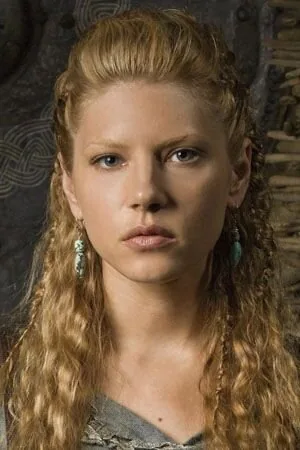
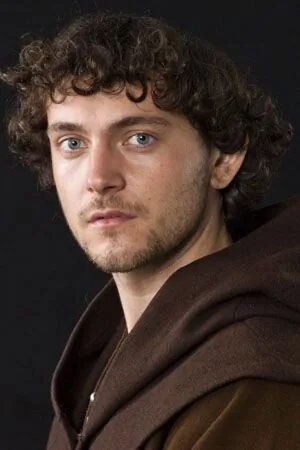
Key roles in this season’s story include Ragnar Lothbrok (Travis Fimmel), Lagertha (Katheryn Winnick), Rollo (Clive Standen) and Athelstan (George Blagden). The full selection below connects characters with performers and their biographies.
Reference: HISTORY season guide.
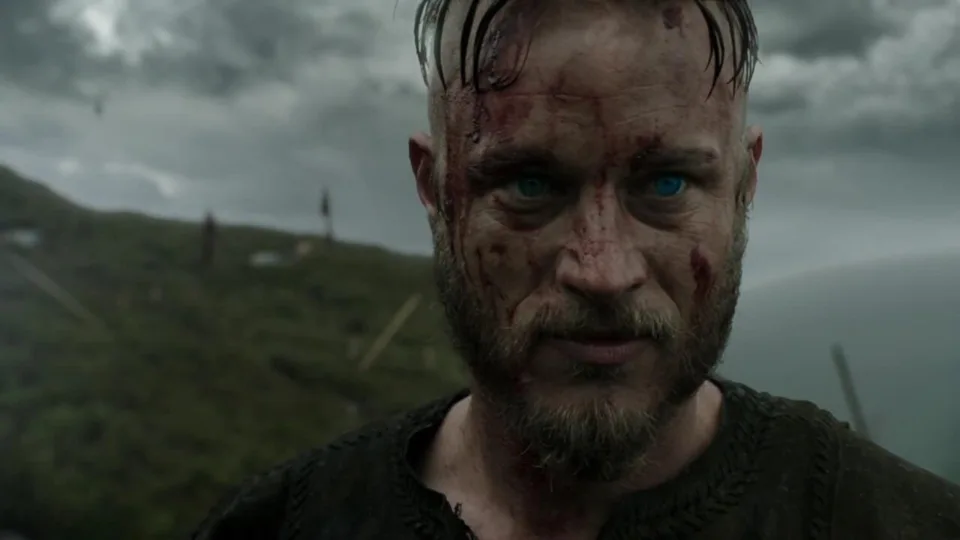
What is season 1 about?
A household drama opens into a struggle over who gets to decide the future. Ragnar's western voyage threatens Earl Haraldson's authority; Athelstan's captivity introduces a second religious perspective. The season ends with Ragnar's public success set against a family crisis.
- Story episodes
- 9
- Start here
- Rites of Passage
- Season finale
- All Change
The episode list below follows the original story order.
The turning points
- Athelstan enters Ragnar's household.
- Ragnar becomes earl.
- Aslaug's pregnancy and Rollo's new allegiance destabilize the family.
Character arcs
- Episodes 1–3: an unauthorized voyage becomes a political challenge.
- Episodes 4–6: the conflict with Haraldson moves from law to open violence and succession.
- Episodes 7–9: English diplomacy, Uppsala and a failed embassy expose the costs of ambition.
Themes running through the season
- Curiosity versus obedience
- Faith across a cultural divide
- Kinship, status and succession
Vikings season 1 cast and characters
Start with these key roles from the season. Follow a performer for their biography and other screen work, or a character for their story. This selection follows the episode guides and is not a complete credits list.
| Character | Played by |
|---|---|
| Ragnar Lothbrok | Travis Fimmel |
| Lagertha | Katheryn Winnick |
| Rollo | Clive Standen |
| Athelstan | George Blagden |
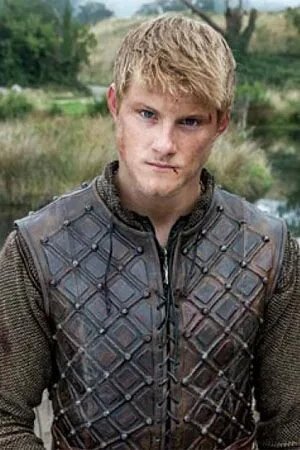
| Bjorn Ironside | Nathan O'Toole |
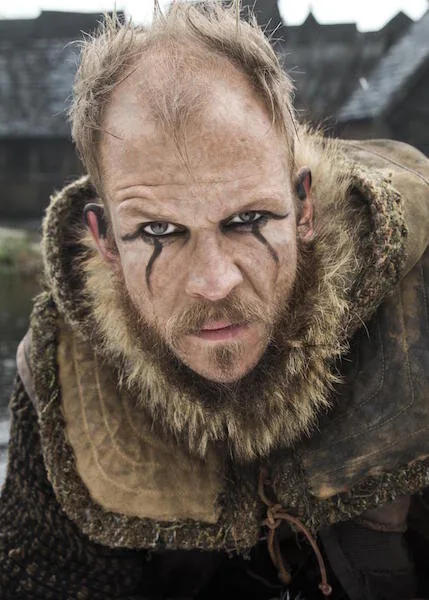
| Floki | Gustaf Skarsgård |


The season’s story map
Explore these places on the interactive world map.
Kattegat
The series’ home port and center of family and political power.
Lindisfarne
The island monastery associated with the saga’s first English raid.
England
The wider setting of the Saxon kingdoms and Norse campaigns.
Uppsala
The sacred gathering place shown in the series.
Story settings differ from production locations. Explore where Vikings was filmed.
Every season 1 episode, in order
Rites of Passage
Ragnar proposes a western voyage against his ruler's wishes, while Floki's ship makes the idea practical.
Read episode guide
Wrath of the Northmen
Ragnar's crew crosses the sea and attacks Lindisfarne, bringing Athelstan into their story.
Read episode guide
Dispossessed
Back in Kattegat, Ragnar chooses Athelstan from the spoils and prepares another English expedition.
Read episode guide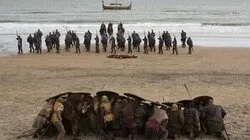
Trial
Lagertha kills Knut during the English raid, and the resulting accusation puts Ragnar before a hostile assembly.
Read episode guide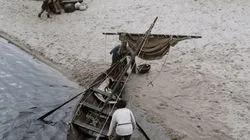
Raid
Haraldson attacks Ragnar's home, forcing the wounded rebel to rely on the people around him.
Read episode guide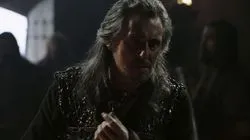
Burial of the Dead
Ragnar defeats Haraldson and becomes earl, then presides over the funeral of his former enemy.
Read episode guide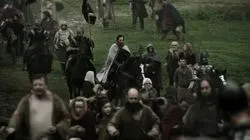
A King's Ransom
Ragnar negotiates with Aelle while Lagertha governs at home; Rollo agrees to a politically useful baptism.
Read episode guide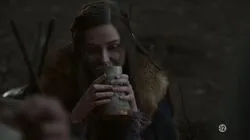
Sacrifice
At Uppsala, religious belonging becomes a life-or-death question for Athelstan, while Ragnar seeks Horik's support.
Read episode guide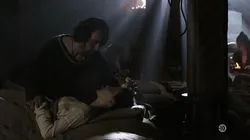
All Change
Ragnar's mission to Borg exposes divisions abroad while illness devastates the family at home.
Read episode guideWhat to notice on a rewatch
- Track who can refuse Ragnar and who depends on his permission.
- Compare the household's warmth with Athelstan's lack of freedom.
- Read religious visions as the show's presentation of belief, rather than historical proof.
The history behind this season.
Was Ragnar Lothbrok a real person?
The familiar Ragnar gathers several kinds of material into one life. Later legends and the historical campaigns associated with men claimed as his sons do not establish the television biography.
Keep the distinctionRead the family on screen as drama; investigate a named person, campaign or source separately.
What was life like for women beyond the battlefield?
The most useful history extends beyond a warrior’s career. Household authority, textile production, marriage, assembly politics and enslavement reveal different kinds of power, work and constraint.
Keep the distinctionLagertha’s screen career is a prompt for historical questions, not evidence that every woman had the same rights or opportunities.
How did Norse belief and Christianity coexist?
Objects, ritual sites, outside accounts and later written myths illuminate different parts of belief. Christianization took generations and varied by region. A ruler’s conversion did not change every household at once.
Keep the distinctionA scene at Uppsala is a dramatic construction. It cannot supply a universal script for worship, sacrifice or conversion.