On this guide
Dublin, Ireland
- Start in
- Central Dublin
- Trip focus
- Museum and historic streets
Plan the visit
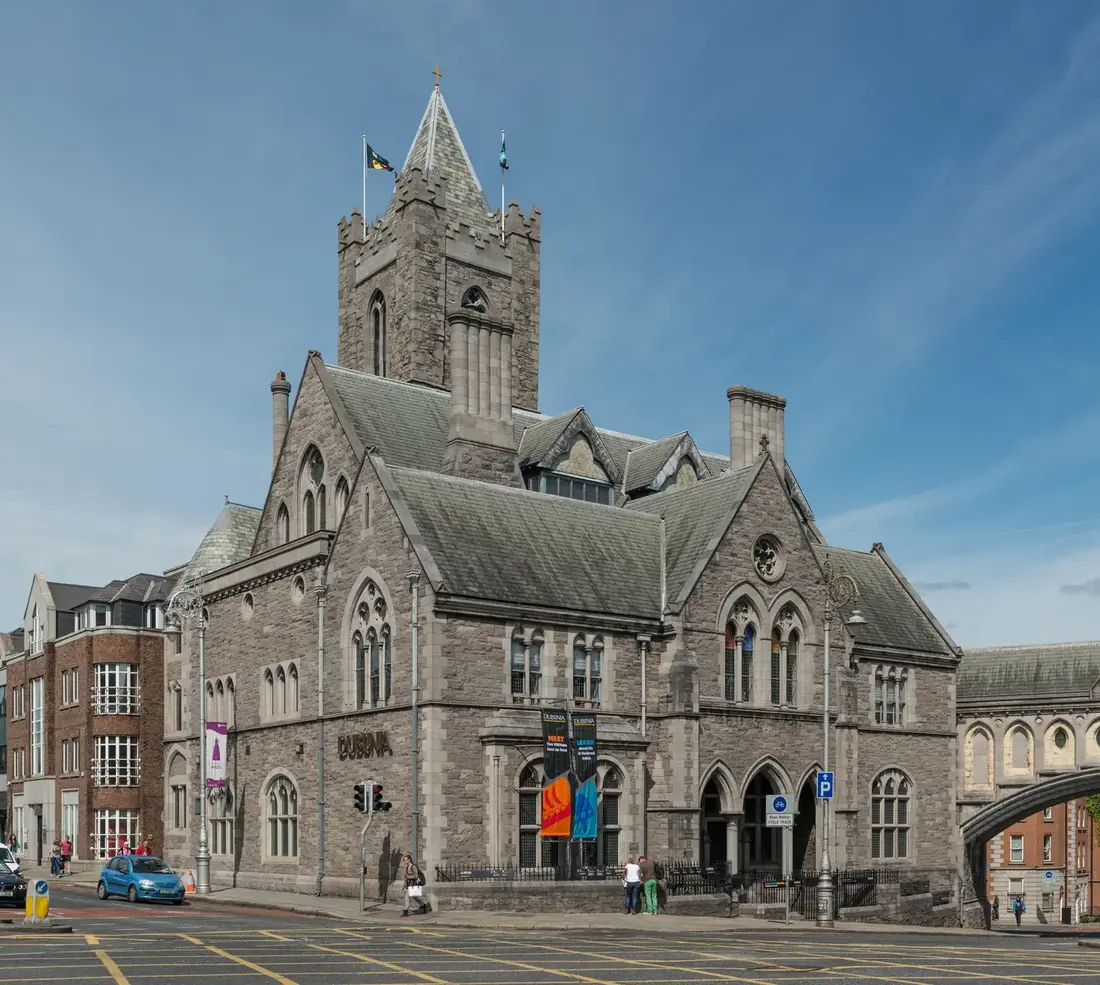
Give the exhibitions the first part of your visit, then walk the surrounding historic streets. Compare the reconstructed interiors with the explanations of excavation and finds in The Past Today.
How to spend your time
Look for the difference between what the excavators recovered and what the exhibition rebuilds around the finds. The site’s craft material makes a useful companion to Waterford: Dublinia helps explain the work of a town, while the Waterford walk is better for following the streets and monuments across several centuries.
Start with Viking Dublin
At Dublinia, begin with the Viking galleries. Notice the relationship between the waterfront, the trades carried out in town and the households that depended on them.
Work backward from the objects
In The Past Today, give yourself time to compare reconstructed scenes with the evidence archaeologists actually recover. Look for the difference between an individual object and the context that makes it informative.
Walk toward the Liffey
Leave the museum around Christ Church and continue toward Wood Quay and the river. The modern streets give you a way to read the terrain. Much of the excavated settlement survives in records and collections, so use the walk to understand the setting.
See the places on this route
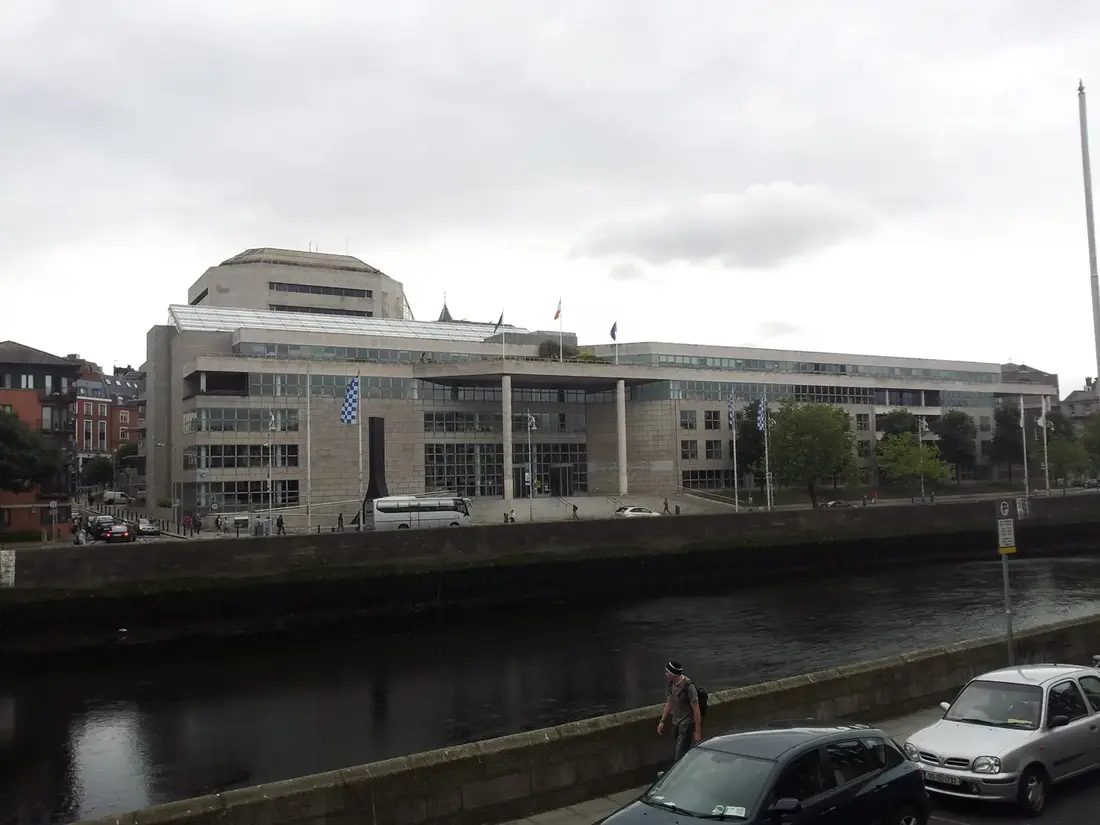
What to see beyond the Viking sites
The Liffey gives Dublin a simple organizing line. Spend one day around the older city, from Christ Church to the river and Smithfield, then use a separate half-day for the galleries or the Docklands. This keeps the Viking material visible without treating every historic building as part of the same story.
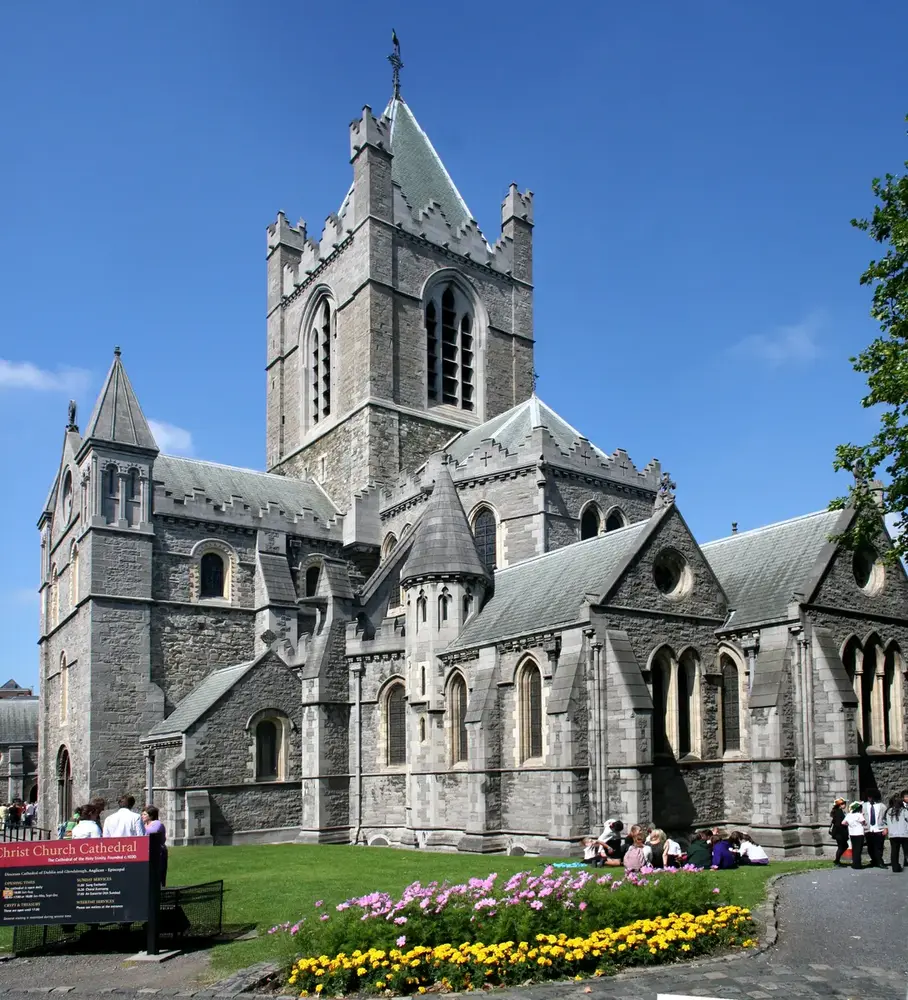
Christ Church, Dublinia and the old waterfront
Use Dublinia for the Viking and medieval city, then step outside to read the slope toward Wood Quay. This is the most coherent first morning for visitors interested in the settlement rather than a broad sightseeing circuit.
Official siteNational Gallery of Ireland
Put the gallery on a second day or use it as the afternoon indoor anchor. Give the Irish collection time of its own rather than crossing town just to tick off another attraction.
Official siteEPIC in the Docklands
Choose EPIC for the story of Irish emigration and its global reach. It pairs well with a walk along the modern riverfront, and covers a different subject from the early settlement galleries.
Official site
Where to eat and drink
The Fumbally
A daytime stop near the older part of the city when you want a meal between museums. Check its service days before making it the anchor of your morning.
Official siteFish Shop
Choose this for seafood on the Smithfield side of the river. Plan dinner here if you want to continue on to a traditional music pub without crossing the city again.
Official siteThe Cobblestone
Make time for traditional Irish music in Smithfield. Read the pub’s current session information, arrive with room in your evening, and let the music be the reason for the stop.
Official site
Viking history and the series
The show’s Irish filming landscapes and the historic settlement of Dublin are separate draws. Use the Wicklow guide for Ragnar and Lagertha’s Kattegat scenery. In Dublin, use Wood Quay and the museum collections to follow an Irish Sea port through objects, trades and connections that outlast any single ruler. The history guide explains how settlement and exchange developed alongside raiding.
Tickets and visitor information
Book Dublinia directly if the exhibitions are your main goal. Check the museum’s living-history programme if you would prefer a guided visit, since the programme explains which tour is running.
Dublinia is the anchor for a short visit. With a longer day, add the National Museum of Ireland’s archaeology collections for objects from Viking Ireland. Check hours for both venues before choosing your order.